
If you heat your home with propane, you may have already experienced just how easily you can suddenly run out.
At some times of the year, that may not be a major concern. But, in the middle of winter, it can be a catastrophe.
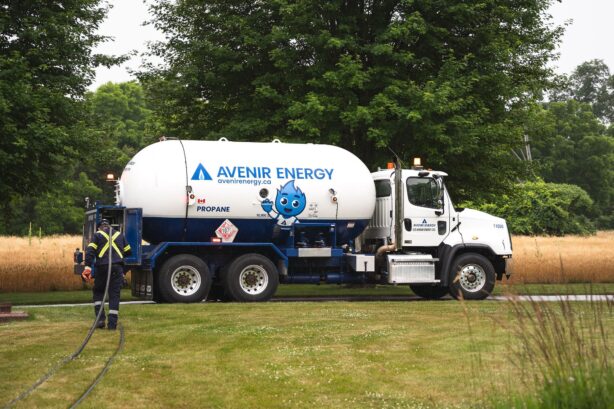
That being said, there are some small habits that can help you avoid running out of propane when you need it most.
Start by partnering with a dependable propane company like Avenir Energy, which offers wireless tank monitoring and flexible delivery options.
Then, incorporate these tips to help you feel confident that your propane won’t run out when you need it most.
1. Consider Automatic Propane Delivery
Remembering to order a propane refill can sometimes be the biggest challenge for a busy family, so start by removing that concern.
Some propane suppliers have systems in place that make it easier to track how fast your home uses propane, and then automatically arranges refills when your heating system starts to get low.
For example, Avenir’s automatic delivery option tracks household consumption, propane appliances in your home, and the current weather to plan refills.
Alternatively, a tank monitoring system that uses wireless tank reading for refills can be helpful as well.
Either way, if you update the appliances in your home, or your household needs change in some way, make sure to let your supplier know.
2. Set a Low-Level Alert
If you decide to take advantage of wireless tank monitoring for your propane system, consider setting an alert if your propane level gets low.
Certain apps, like the Nee-Vo app, will automatically send you a notification if your propane tank starts to get low.
Some suppliers will also track your propane tank’s level in an online customer portal for added security.
In general, you’ll want to make sure that you set your alert for a higher level than you might think is necessary.
It’s better to ensure that you can arrange a delivery for when you need it, rather than having to scramble if a storm or cold snap leaves your propane level lower than expected.
3. If You Order by Request, Call at 30 Percent
If you prefer on deciding when you want to place an order for a propane tank refill, the general rule is to call when your tank is at about 30 percent.
Most suppliers will arrange refills within seven to ten days, so calling before your propane gets too low will help you avoid running out of propane completely before delivery.
Watch the level more closely during cold weather, and ask your supplier about refill timing, in case bad weather has created a backlog of refill requests.
In winter especially, the Canadian Propane Association recommends filling your tank early, before the cold weather arrives, since bad weather can delay propane deliveries.
4. Learn To Read Your Gauge Correctly
The dial on a propane tank shows a percentage of its capacity, not the full amount of liters it can actually hold.
Because of vapor expansion, a fresh fill will show a level of about 80 percent, rather than 100. A reading of 40 percent is half of that amount, not half of what the propane tank can hold.
To turn a percentage into a liter amount, use a gauge-to-liters chart for your specific residential propane tank size.
On a 500-gallon propane tank, for example, 30 percent works out to about 568 liters.
5. Keep a Simple Usage Log
On the first day of each month, take a photo your gauge or a screenshot of the tank level in your supplier’s app.
After a year, you’ll be able to put together a clear record of how fast your home uses propane in each season.
This simple log can show when use climbs, how much more propane a cold month takes, and whether a new appliance had an unexpected impact.
Share any big changes to your household routine with your supplier, as well.
A new propane water heater, a propane fireplace, or more people at home during the day can raise use enough to shorten the time between refills.
6. Check the Level Before Trips and Cold Snaps
Propane use rises during a cold snap, and a week away can hide a fast drop.
Before you leave on a vacation, or whenever the forecast turns sharply colder, check your propane level in your app or at the propane tank. If the level is on the low side, place an order before you go.
If you’re worried about sudden chance in the weather, consider using the WeatherCAN app to send local weather alerts to your phone.
Having that advance notice can help ensure a cold snap doesn’t leave you with a low propane tank when you need heat the most.

The best thing about these tips is that none of them require too much effort.
Automatic delivery can eliminate most of your worries, while knowing how to take a correct reading of the gauge and keeping a simple monthly log can help you predict months that might have heavier usage.
Once you develop the right habits, you’ll be able to avoid running out of propane at a time you might need it most.