
The holiday season can feel like a whirlwind for moms.
Between decorating, planning family gatherings, and finding gifts for everyone on your list, it’s easy to see why online shopping has become such a holiday game-changer.
The convenience of shopping from your phone, grabbing great deals, and having everything shipped right to your door is hard to beat.

But, while online shopping saves time, it can also expose you to risks.
Every holiday season, scams, fake deals, and phishing attempts increase across North America.
Cybercriminals know shoppers are busy and distracted, and they use that to their advantage.
The good news? A few smart habits can keep your family’s information (and your holiday budget) safe.
1. Shop Only On Secure Websites
Before entering your payment details, take a second to make sure the site is secure.
Look for “https://” at the beginning of the web address, and a padlock icon in your browser bar. These signs mean the site properly encrypts your information.
It’s also a good idea to stick to shopping from well-known retailers, or small businesses you know and trust.
While random social media and email ads can offer tempting deals, they also often link to fake sites instead of legitimate ones.
When in doubt, make a note of the deal and visit the site from your browser to confirm that it’s legitimate.
When checking out, use a credit card, or a trusted payment platform like PayPal or Apple Pay. These offer better fraud protection than other payment methods.
And, while saving your card info when shopping online might be convenient, it’s safer to re-enter it each time.
Even major retailers experience data breaches that could expose your personal information to hackers.
2. Be Alert for Scams, Phishing Emails, and Fake Delivery Notices
Spam messages are a year-round bother, but there’s a noticeable increase in phishing scam emails and texts during the holiday season.
Fake delivery updates are a common scam. These emails mimic the format used by real companies, including Amazon, UPS, or FedEx.
The messages often include fake tracking links or urgent “account verification” requests, but clicking them can lead to malicious sites that will steal your information.
Before responding, check the sender’s address carefully to ensure it’s legitimate. Look for odd spelling, unusual links, or poor grammar, all signs of a scam.
When in doubt, go directly to the retailer’s website, or call the company in person to verify any message.
It’s also smart to think twice about any “too good to be true” deals.
Fake storefronts and companies selling counterfeit products often lure shoppers with massive discounts on popular toys, electronics, or designer items.
At best, you’ll receive a low-quality product instead of the authentic one you wanted. At worst, you’ll lose your money and provide a fraudulent site with your financial information.
3. Protect Your Devices and Internet Connection
Keeping your smartphone or computer protected is your first line of defense against scammers.
Ensure your phone, tablet, and laptop are updated with the latest security patches before you start your holiday shopping.
Install reputable antivirus software to help catch suspicious activity before it causes harm.
Avoid shopping on public Wi-Fi networks, like those in coffee shops, airports, or malls; they’re easy targets for hackers.
If you need to connect on the go, use a VPN Chrome extension to encrypt your data and protect your personal information while browsing or checking out.
4. Monitor Your Accounts and Personal Information
Spending ramps up during the holiday seasons. And, with all those extra purchases on your account, it can be easier to miss unusual charges.
Make it a habit to review your bank and credit card statements regularly, especially during the busy season.
Use strong, unique passwords for each online store or account, and turn on two-factor authentication (2FA) whenever it’s available.
It adds an extra layer of protection, even if your password gets compromised.
Be cautious about how much personal information you share online. Only provide what’s necessary for your purchase.
The less data you leave scattered across multiple sites, the less likely it will be that a hacker gains access to sensitive information.
5. Teach Your Kids About Online Shopping Safety
If your kids are old enough to start browsing products and shopping online on their own, take some time to ensure they’re doing it safely, as well.
Show them how to identify official store websites, explain why they should avoid clicking random links, and remind them to never share personal details without parental approval.
These early lessons can help ensure your finances stay safe, while also helping to teach your kids the basics of smart online shopping.
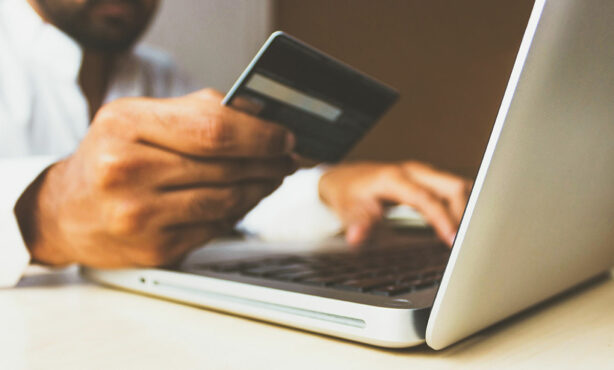
There’s no question that shopping online is a lifesaver for a busy mom trying to make everyone’s holiday dreams come true.
And, with a little extra awareness, you can keep your family’s information safe, and enjoy a smooth, stress-free shopping season.
By following these online shopping safety tips, you’ll protect your data, avoid scams, and make sure the holidays stay merry for everyone.