
Keeping your home fresh and your indoor air clean is especially important when you have little ones.
Babies’ lungs are still developing, which makes them more sensitive to dust, excess moisture, mold, and polluted air.

Many parents consider air purifiers or dehumidifiers to improve indoor air quality, but a common question remains: Which one do you really need?
Understanding how each device works, and how it affects your child’s comfort, breathing, and overall health, is the first step in making the right decision.
Air Purifier or Dehumidifier: Which One Do You Need?
There isn’t a single right answer for every home. The best choice depends on your indoor environment and the issues you’re trying to solve.
An air purifier removes airborne particles such as dust, pet dander, pollen, smoke, and some germs. It’s especially helpful for families dealing with allergies, asthma symptoms, or poor outdoor air quality.
A dehumidifier controls moisture levels in the air. If your home feels damp, smells musty, or shows signs of mold or mildew, excess humidity may be the real problem.
- Choose an air purifier if airborne allergens or pollutants are your main concern.
- Choose a dehumidifier if dampness, mold, or sticky air is the issue.
Many parents use both to create a balanced, comfortable environment.
How Air Purifiers Help Protect Babies from Allergens and Pollutants
Babies breathe faster than adults, and take in more air relative to their body weight.
This means they are more affected by the tiny airborne particles that may go unnoticed by adults.
Air purifiers work by pulling in air and passing it through multiple filters. The most important is a HEPA filter, which captures extremely small particles as air flows through it.
Common pollutants removed by air purifiers include:
- Dust mites
- Pet dander
- Pollen
- Mold spores
- Smoke particles
- Cooking fumes
- Chemical vapors from household cleaners
- Certain bacteria and viruses
Many air purifiers, like the Momcozy smart air purifier, use multiple coordinated filter layers to trap ultra-fine particles, helping keep your baby’s room cleaner and healthier with minimal effort.
Benefits for babies may include:
- Less nasal congestion
- Fewer allergy flare-ups
- Reduced nighttime coughing
- Better sleep quality
- Fewer triggers for eczema or asthma
For parents concerned about indoor air quality, an air purifier can make a noticeable difference in a nursery.
Benefits of Using a Dehumidifier in a Baby’s Room
While air purifiers focus on particles, dehumidifiers address moisture. Both play an important role in your baby’s comfort.
High humidity levels can:
- Encourage mold growth
- Increase dust mite populations
- Create a musty smell
- Make breathing uncomfortable
- Irritate sensitive skin
The ideal humidity level for a baby’s room is generally 40% to 50%. A dehumidifier removes excess moisture from the air by collecting it in a tank or draining it through a hose.
Benefits to your little one can include:
- Lower risk of mold growth
- Reduced dust mites
- Fresher-smelling air
- More comfortable sleep conditions
- Easier breathing for little lungs
If you live in a humid climate, or notice condensation on windows and walls, a dehumidifier can greatly improve indoor comfort for your baby.
Choosing the Right Option for Your Baby’s Health
If you’re unsure about which device is the best option for your baby, use these guidelines:
Choose an Air Purifier if:
- Your baby has allergies, frequent congestion, or wheezing
- You have pets
- Dust builds up quickly in your home
- You live in an urban or high-pollution area
- Your baby sneezes or coughs more indoors
Choose a Dehumidifier if:
- Your home feels damp or smells musty
- You notice mold or mildew forming
- You live in a humid climate
- Windows regularly collect condensation
- The room feels heavy or uncomfortable
Tips for Maintaining Healthy Indoor Air
To get the most out of either one of these devices in your home, keep these tips in mind:
- Keep windows closed while the device is running to maintain stable air conditions.
- Clean your baby’s room regularly to reduce dust buildup.
- Use a hygrometer to monitor humidity levels.
- Avoid strong scents, candles, or sprays near your baby.
- Position devices away from the crib to keep airflow gentle.
- Clean or replace filters according to the manufacturer’s instructions.
Even the best device won’t work well if filters are clogged or outside air constantly flows in.
Safety Tips for Baby-Friendly Air Devices
When choosing an air purifier or dehumidifier, safety should always come first.
Here are some key features to look for:
- Avoid purifiers that generate ozone, as it can be harmful to infants.
- Choose models with certified HEPA filters.
- Keep cords secured and devices on stable surfaces.
- Empty and clean dehumidifier tanks daily to prevent bacteria buildup.
- Select quiet models to avoid disrupting your little one’s sleep.
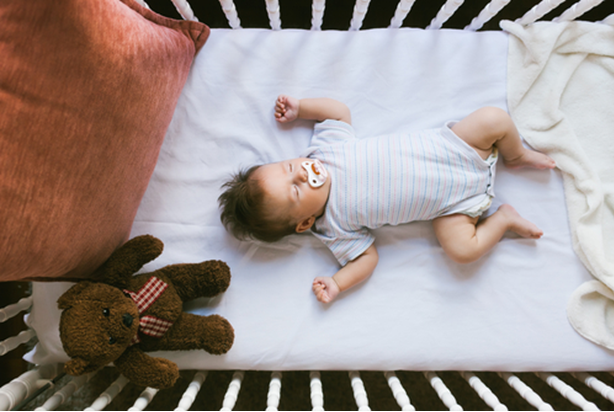
An air purifier and a dehumidifier solve different problems, and the right choice for your baby depends on what’s happening inside your home.
Cleaner air helps with allergies and dust, while drier air prevents mold and moisture issues.
Understanding the difference makes it easier to ensure your baby’s bedroom supports better breathing, better sleep, and better overall comfort.