
Moms juggle a lot, from carpools to work meetings to house cleaning to constant drives to extra-curricular activities.
It’s all too common that good nutrition tends to take a back seat to whatever keeps the kids happy and the household running.
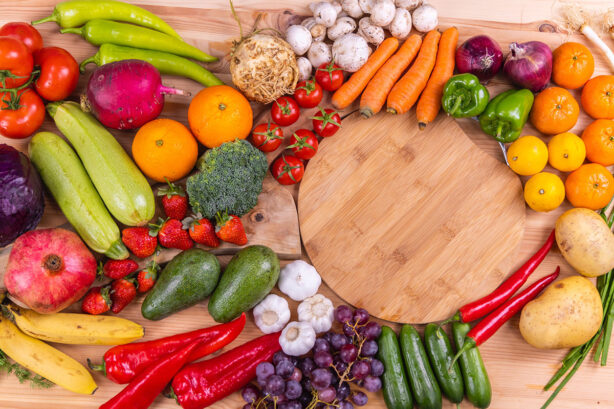
But, even when you’re putting in the effort to cook nutritious meals for you and your family, you might be missing some key nutrients that your body needs.
And you’re not alone! Many moms tend to miss out on key nutrients, not realizing that they may need more of certain vitamins and minerals than their children.
If you’re wondering what nutrients might be missing from your diet, come learn more about the most common nutrient deficiencies moms might experience.
Why Nutrition Matters for Moms
Nobody knows what it’s like to be busy quite like a a mom.
But, at the same time, moms often forget that food is much-needed fuel to get them through those busy days.
Without the proper nutrients, your body will struggle with energy, mood, immunity and metabolism.
You likely already know the benefits of cooking at home, eating whole foods, and reading food labels to ensure you’re eating as healthy as possible.
But, even if you are doing those things, you can still be low on key nutrients. Here are a few common gaps to watch out for.
Iron
Moms often dismiss being tired as simply part of being a parent. But, if you’re feeling run down all day, even after a full night’s sleep, you might be low on iron.
Iron helps carry oxygen through your blood, and low iron can lead to fewer red blood cells and less oxygen in your system.
That means tired muscles, brain fog and afternoon yawns that don’t go away, no matter how many coffees you have.
Iron is especially important for women, whether you are breastfeeding, have heavy periods or simply need more energy.
Leafy greens, legumes, red meat and fortified cereals are good sources, but many women struggle to get enough iron from food alone.
Vitamin D
Vitamin D plays a big role in bone health, immunity and mood.
A lot of moms remember the importance of Vitamin D more in winter months when they’re stuck inside more often, but even in summer you may not be getting enough.
Unless you are getting consistent sun exposure multiple days a week or eating fortified foods regularly, you could be low on Vitamin D without knowing it.
Milk, breakfast cereal, fatty fish, and mushrooms are all potential dietary sources of Vitamin D.
Calcium
Calcium is most well known for supporting strong bones and teeth, but it’s also tied to muscle function and nerve signaling.
Moms who are pregnant, breastfeeding, or who don’t maintain their dairy intake, can easily fall below the recommended amount.
If you’re not a fan of drinking multiple glasses of milk each day, hard cheese, dark green vegetables like broccoli and kale, and beans are also good sources of calcium.
And, remember that for optimal calcium absorption, your body also needs enough Vitamin D and magnesium.
B Vitamins
B vitamins are a collection of 8 different vitamins that work quietly behind the scenes, powering metabolism and energy production.
If your diet is heavier on refined carbs and lighter on whole grains, nuts, and seeds you might not be getting enough.
A Vitamin B12 deficiency, in particular, can cause the same fatigue and low mood that an iron deficiency causes, making it hard to pinpoint the exact cause.
Adding foods rich in B vitamins, like salmon, eggs, meat, legumes, and vegetables, or taking a B-complex supplement, can make a subtle but noticeable difference in how you feel day to day.
Magnesium
Magnesium isn’t talked about nearly as often as many vitamins and minerals, but it is crucial in maintaining your mood, sleep, exercise performance, blood sugar regulation, and more.
In fact, it’s a component of over 300 biochemical reactions in the body that control everything from heart health to energy production.
Nuts and seeds are a good source of magnesium, as are beans and leafy greens. But, getting enough every day from food alone can be a challenge.
When You Might Need More Nutritional Support
Getting all of the nutrients your body needs from food alone isn’t always easy.
It takes careful meal planning and a good understanding of your body’s dietary requirements to fully meet your body’s needs.
And, while a high-quality daily multivitamin can help, it can still leave you lacking some essential nutrients, especially since some vitamins and minerals don’t absorb as well when taken together.
That’s where a targeted supplement from a company like AmBari Nutrition can be a great choice.
It’s a way to give you that extra boost you need, whether you’re low on iron or calcium.
Signs You Might Be Low in Nutrients
It’s not always obvious when you have nutrient deficiencies, but here are some common signs that you may be missing some key vitamins or minerals:
- You hit midday and start struggling to stay alert
- You feel sluggish even after sleeping well
- You rarely eat iron rich foods or dairy products
- Your mood dips without a clear reason
- You struggle with muscle cramps or restless legs at night
If you notice some of these symptoms, start thinking about the foods you’re including in your day, and see if there’s a key nutrient that you might not be getting enough of.
How to Start Filling Nutritional Gaps
If you’re wondering how to start ensuring your body has the fuel it needs, try these tips:
- Check Your Food Intake Regularly: Start a food journal, and jot down what you eat at breakfast, lunch, and dinner, so that you can easily see foods you might be missing.
- Mix Up Your Meals: Start adding a variety of colorful vegetables, lean protein, and nutrient-dense foods to your regular diet.
- Pair Nutrients for Absorption: Many essential nutrients are more easily absorbed by the body when paired with something else. Combine calcium with Vitamin D, or iron with Vitamin C to maximize absorption.
- Consider Supplements if Needed: If you find yourself struggling to get enough of an essential vitamin or mineral, consider a targeted supplement to fill the gap.
Remember, small changes can lead to big differences in your overall health, so don’t worry about being perfect.
Even something as simple as adding more vegetables to each meal can help you look and feel better!

Realistic Nutrition for Real Moms
When it comes to proper nutrition, it’s important to remember that the goal isn’t to make you feel like you’re doing anything wrong.
Rather, it’s to have the knowledge about any small gaps that could be missing in your diet, so that you can feel a little more energetic, a little more balanced and a little more like yourself.
However, don’t forget to listen to your body, and talk to a healthcare provider if you have any persistent concerns.
Giving your body what it needs will help ensure you have the energy and happiness you need to be able to handle the chaos of motherhood.