
As temperatures drop and winter storms roll in, keeping your kids warm in the harsh winter months becomes a necessity.
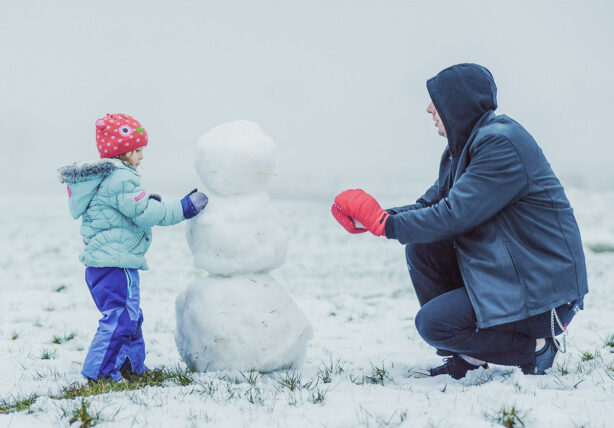
From layering clothing to protecting little hands and feet from frostbite, knowing how to prepare for freezing days will help ensure that your child can enjoy winter safely and comfortably.
If you’re feeling overwhelmed by the options for winter gear, here are some tips to help you choose winter wear that’s effective, durable, and able to keep your little one cozy on the most frigid days.
Dress Kids in Layers for Better Insulation
Proper layering is the key to ensuring that your kids stay warm all day, without overheating.
Start with a moisture-wicking base layer to keep sweat away. A fitted, long-sleeved shirt made of polyester or merino wool is a good choice.
Add a thicker insulating layer like a fleece jacket, a sweatshirt, or a padded vest.
Finally, finish with a quality kids winter jacket and ski pants as your waterproof and windproof outer layer.
These three layers trap body heat while still allowing moisture to escape, keeping your child warm and protected from the elements.
Stock Up on Winter Accessories
With your child properly layered and dressed, it’s time to protect their extremities with winter accessories.
Thermal socks and waterproof winter boots are a must for keeping tiny toes warm.
Insulated, waterproof gloves or mittens will do the same for hands and fingers. Remember, while gloves offer a better range of movement, mittens are more effective at keeping hands warm.
Your child will also need a toque to keep their head and ears warm, and a scarf or neck warmer to keep the face warm and ensure cold air doesn’t blow down their jacket.
When you first purchase new accessories, make sure to check them regularly to ensure that they’re remaining dry throughout the day.
Check Material and Durability
Choosing the right materials is an essential part of ensuring that your child’s winter gear actually keeps them warm.
For an active child that will likely be playing in the slow frequently, waterproof winterwear is a must. You’ll also want to ensure the cold rating matches the temperatures that are typical in your area.
Wool and fleece are great choices for inner layers, and down filling is a top choice in winter coats due to its superior insulating properties.
Look for brands that offer guarantees on their durability. Kids can be hard on their clothes, and you don’t want to be panic-shopping for new gear halfway through the season!
Encourage Movement and Play
Physical activity is one of the best ways to keep your child warm and energized in cold weather.
And, of course, playing outside in the snow is also a lot of fun!
Introduce your kids to fun outdoor activities like sledding, building a snowman, skating, or cross-country skiing.
Not only will these activities help keep your kids warm, they’ll also help them appreciate the fun that winter weather can provide.
When temperatures are milder, kids can generally play outdoors on their own, as they’ll likely recognize when they’re starting to get too cold.
In extreme cold, however, make sure to supervise your children and limit them to shorter stretches outside.
Watch for Signs of Serious Chill
Kids sometimes don’t recognize that they’re becoming chilled, so make sure to keep an eye out for signs that they’ve been outdoors too long.
These could include shivering, pale skin, and slowed responses. If you notice any of these symptoms, bring children indoors immediately.
Teach kids to speak up if they feel cold or wet, and make sure to check their gear regularly to ensure it’s still dry, as wet clothing can increase the risk of cold stress.
Prioritize Comfort at Bedtime
Sometimes, a nighttime chill can be just as hard to handle as a daytime one.
To help avoid this, use layers in the same way that you do for dressing your child in the daytime.
Start with cozy pair of pajamas and slipper socks. Then, add a set of cozy sheets, a lighter blanket, and a heavier comforter on top.
If your child gets too hot, they can simply remove one of the layers until they reach their needed comfort level.
Making sure your child is comfortable sleeping helps ensure proper rest and promotes a strong immune system during the winter months.
Keep Extra Gear On Hand
Every parent knows how prone kids can be to losing things. That’s why having backup winter gear is so essential.
Pack an extra toque, scarf, and pair of gloves in your child’s backpack when they leave for school.
It’s also a good idea to have a spare set of winter accessories in your vehicle in case of an emergency.
And, keep in mind that kids may need replacements for wet gear if they’re spending longer periods of time outdoors.

Winter can be a beautiful and fun-filled season for kids of all ages, but ensuring they’re properly protected from the elements is essential.
Use these tips to prepare your little ones for outdoor fun, and help introduce them to the joys that winter can bring!