
Barndominiums, homes that combine the structural efficiency of a barn-style building with modern residential living, have become increasingly popular across North America.
They boast open floor plans, durable materials, and a more streamlined construction process than traditional homes.
However, building a barndominium is still a major construction project.
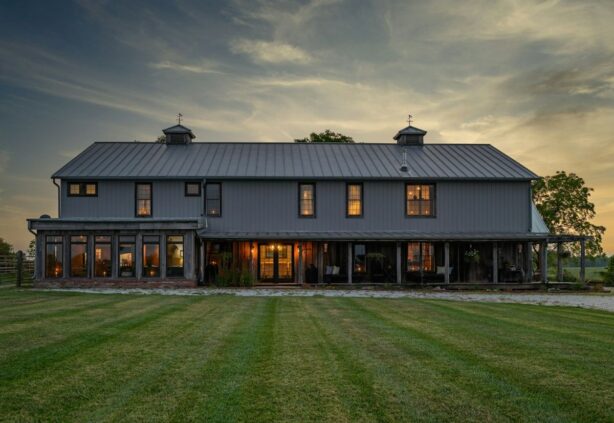
The timeline from concept to move-in depends on things like land conditions, local regulations, design complexity, contractor availability, and weather.
A good first step is understanding the different phases involved in bringing your barndominium vision to life.
If you’re considering building your own barndominium, these are the steps that are generally involved, as well as an estimate for how long each stage may take.
Phase 1: Pre-Design and Initial Planning
Estimated Timeline: 1-2 months
The first step is deciding what features you want for your barndominium, and then finding the perfect plot of land.
A building company specializing in barndominiums in Indiana mentions that location may play a bigger role in your planning than expected.
Check the zoning rules for the land you’re considering, since every state, province, county, and municipality has its own restrictions and requirements.
Zoning regulations, setback requirements, minimum dwelling sizes, and utility access rules vary widely across municipalities in both the United States and Canada.
It’s essential to verify these requirements with local authorities before finalizing land purchase or construction plans.
With your land location finalized, you’ll then want to determine your budget, preferred layout, square footage, and must-have features.
Make sure your budget includes the following expenses:
- Land costs
- Site preparation and utility installation
- Building materials and labor
- Architectural and engineering services
- Permit and inspection fees
- Contingency funds for unexpected expenses
Phase 2: Design and Architectural Planning
Estimated Timeline: 1-2 months
Once the land is purchased and the budget is set, it’s time to start designing your future home.
This process usually means working with a professional builder or architect to create detailed plans that meet your lifestyle needs, budget, and local building codes.
The final design should include your floor plan layout, the number of bedrooms and bathrooms, the framing materials, and your home’s insulation plan.
Your climate will also play a significant role in your barndominium’s final design.
If your area gets intense rainfall or deep snow, you’ll need to ensure that you choose materials that can hold up under that stress.
Regions with heavy snow loads may also require reinforced roof structures.
Areas prone to high winds, hurricanes, or seismic activity may have an impact on your final design and material choice as well.
Building codes across North America will have different requirements depending on weather conditions to ensure safety and durability.
Once your design is finalized, the floor plan will be sent to your local government office for their approval.
Keep in mind that the timeline for receiving your building permit can vary wildly depending on your location.
It can be helpful to call your local permitting office and ask how long approval typically takes, so that you can plan your next steps accordingly.
Phase 3: Permitting and Site Preparation
Estimated Timeline: 1-3 months
Permitting timelines vary considerably depending on location and the complexity of the project.
In some municipalities, approvals may take only a few weeks. In others, especially in rapidly growing areas, the process can extend several months.
Required permits often include your building permit, electrical permit, plumbing permit, septic or sewer system approval, and driveway or access permits.
While you’re waiting for permit approval, however, you can generally begin preparing your site.
This could include clearing vegetation, grading the land, establishing drainage, and preparing access for construction equipment.
Keep in mind that if your chosen site doesn’t already have utility hookups, installation, such as extending power lines, drilling a well, or installing a septic system, can add time and cost, particularly in rural areas where infrastructure is limited.
Phase 4: Construction
Estimated Timeline: 6-12 months
Construction is typically the longest phase when building a barndominium.
Your final timeline will depend on building size, design complexity, contractor scheduling, material availability, and weather conditions.
For most barndominiums, the building process with include the following steps.
Foundation
Construction begins with foundation work.
One of the advantages of a barndominium is that it doesn’t necessarily require a foundation, but some plans may include a slab foundation, or even a more complex basement design.
The more complicated the foundation, the longer the process will take to complete.
Framing and Structural Work
Once the foundation cures, the structural frame is erected.
Barndominiums typically use pre-engineered building systems, which can speed up framing compared to traditional construction.
Framing can take anywhere from a few days to about two months, depending on the size and complexity of the design.
Exterior Shell
After framing, crews install roofing, siding, windows, and exterior doors.
Completing the exterior protects the structure from the elements so that interior work can be completed at any time of year.
This stage may take one to two months.
Interior Systems and Finishes
Mechanical, electrical, and plumbing systems are installed next, followed by insulation and drywall.
Interior finishing, such as flooring, cabinetry, trim, painting, lighting, and fixtures, can take two to four months, depending on customization and material availability.
Keep in mind that the weather can significantly affect timelines.
Extreme cold, heavy rainfall, hurricanes, or wildfires may temporarily halt exterior construction work.
Phase 5: Final Inspections and Completion
Estimated Timeline: 1-2 months
Before occupancy, the home must pass any required inspections.
Inspectors will verify compliance with structural, electrical, plumbing, and energy-efficiency codes.
If any corrections are required, they must be completed and then re-inspected.
The timeline for this stage will depend somewhat on inspector availability and whether any adjustments or repairs need to be made.
During this stage, final exterior work such as driveways, landscaping, and porches may also be completed.
Phase 6: Move-In and Adjustments
Estimated Timeline: 2-4 weeks
After final approval and receipt of an occupancy certificate or the equivalent documentation, move-in can begin.
Minor post-construction adjustments are fairly common.
These may include touching up painting, HVAC balancing, small plumbing fixes, or door and trim adjustments.
Most reputable builders will give you a few weeks to settle in, and then come back to review and fix any minor issues you’ve noticed.
Your move-in process will also be the time when you remove any building waste from the property and connect your essential services, including water, power, and waste lines.
Total Timeline
In most parts of North America, designing and building a barndominium typically takes 9 to 18 months from initial planning to move-in.
This range depends on a variety of factors, including:
- Permit approval timelines
- Complexity and size of the design
- Contractor and supplier availability
- Weather conditions
- Site accessibility and utility requirements
- Customization level
Highly customized homes or builds in remote areas may take longer, while smaller or more straightforward projects can move faster.

Building a barndominium can be a rewarding project, but it requires careful planning, realistic expectations, and flexibility.
It’s important to remember that each stage, from land selection and design to permitting and construction, are to ensure that your new home is safe, structurally sound, and durable.
With proper preparation and a qualified team, your final result will be a durable, energy-efficient home designed to meet your family’s needs in a beautifully rustic way.