
For many moms, driving is part of the daily routine.
School drop-offs, grocery runs, doctor’s appointments, and after-school activities may mean making several trips on busy roads every day.
Much of that driving likely happens in stop-and-go traffic, where sudden braking is common.
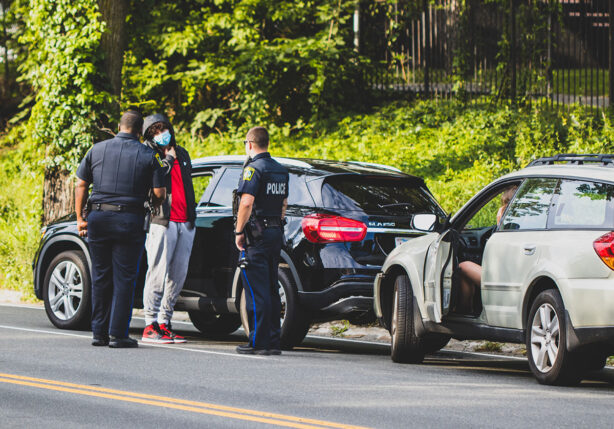
In these conditions, especially if you live in a larger city, rear-end collisions are one of the most frequent types of accidents.
The good news is that a few practical habits can significantly reduce your chances of being involved in one.
Understanding how these crashes happen, and how to drive defensively to help prevent them, can help keep both you and your kids safer on the road.
Why This Type of Crash Happens So Often
In heavy traffic environments, cars travel in tight clusters. Drivers often need to accelerate and brake repeatedly within short stretches of road.
Intersections are frequent, pedestrians cross unexpectedly, and public vehicles make routine stops. Every single one of these conditions increases the risk of a rear impact.
And, that danger grows when traffic is heavy, which often happens during school pickups and drop-offs, the end of the work day, and other times moms may have to be on the road.
When one vehicle slows down quickly, a delay of even a few seconds can result in an accident.
Even worse, cold temperatures, snow, freezing rain, and wet pavement can lead to slower stopping times, explaining why it’s so common to see rear-end collisions in Chicago and other major cities that deal with both heavy traffic and bad weather.
Understanding where and how these crashes typically occur can be one of the best ways to make sure that you keep your children safe when the risk of a collision is highest.
Practical Ways to Reduce Your Risk
It goes without saying that there’s no way to control other drivers. But, you can still reduce your risk of a rear-end collision with a little preparation.
Keep these tips in mind to help you minimize your chances of being involved in an accident:
Leave More Space Than You Think You Need
The simplest safety habit you can adopt is simply increasing your following distance.
Aim for at least a three-second gap between your vehicle and the car ahead in normal conditions. In rain, snow, or heavy traffic, increase that distance even more.
This extra space allows you to take your time slowing down, which gives drivers behind you more time to slow down as well.
Brake Early and Gradually
Abrupt braking increases the likelihood that someone behind you will hit you.
Whenever possible, ease off the gas early when approaching red lights or gridlocked traffic, brake gradually, and tap your brakes lightly to let drivers behind you know that you’re preparing to stop.
Watch Your Rearview Mirror at Stops
Most drivers focus only on what is happening in front of them. However, checking your mirrors can help you spot potential problems from behind.
When stopping at a light or slowing down for heavy traffic, keep an eye on vehicles approaching from behind.
If someone appears to be coming in too fast, release the brake and move forward slightly, if there is space to safely do so.
This extra awareness can sometimes stop your car from being pushed into the car in front of you.
Stay Focused in Stop-and-Go Traffic
Short trips and familiar routes can make it tempting to multitask, especially when children are talking or asking questions from the back seat.
However, even a brief distraction can delay your reaction time.
Try to ensure your focus stays on the road at all times, by doing things like setting navigation before you start driving, keeping your phone out of reach, and ensuring your little ones have any snacks or toys they may request.
Adjust for Weather and Road Conditions
Wet, icy, or snowy roads significantly increase stopping distance.
When roads are slippery, ensure you’re driving defensively. Reduce your speed, increase your following distance, and start to brake sooner than you normally would.
Many rear-end crashes occur simply because drivers underestimate how long it takes to stop in poor conditions.
Recognizing Injuries After an Accident
Adrenaline can mask symptoms right after a collision. Keep an eye out for stiffness, headaches, or dizziness that may develop later.
Whiplash is one of the most common injuries after a rear-end collision.
It occurs when the head snaps back and forth quickly, straining neck muscles and ligaments.
Symptoms could include reduced range of motion, headaches, or tingling in the shoulders and arms. Remember that delayed whiplash symptoms can appear hours or possibly even days after the incident.
Soft tissue injuries, lower back strain, and mild concussions are also common injuries after a collision.
Regardless of how minor an accident might seem, it’s always a good idea to take your family in for a medical checkup after.
Pay special attention if you notice your kids seem unusually sleepy, confused, or upset by bright lights.
What to Do in the First 30 Minutes After Impact
The moments following a rear-end collision can feel overwhelming, especially when your kids are in the car. Having a simple plan in mind can help you react quickly and efficiently.
Start by moving to a safe location, if possible, and turning on your hazard lights.
Check yourself for injuries quickly, then do a quick check of each child. Look for visible injuries, and ask simple questions to confirm alertness.
Contact emergency services if your car is undrivable, or if anyone reports pain, dizziness, or confusion.
Even when injuries appear minor, it can be helpful to have a police report to provide official documentation of the accident.
Exchange information with the other driver, and take photos of vehicle damage, license plates, road conditions, and traffic signals.
Once home, monitor your children closely. If you notice any unusual symptoms, make sure to make an appointment with your family doctor.
Confidence Behind the Wheel Starts With Awareness
Driving with your kids in the vehicle will always require an extra level of attention.
And, when you’re in heavy traffic, that focus becomes even more crucial, especially when it comes to avoiding rear-end collisions.
By knowing how these crashes happen, driving defensively, and reacting quickly if the worst does happen, you can ensure you and your children are protected.
Proper confidence and knowledge are the best ways to stay steady behind the wheel, so that you and your family get home safely.