
Replacing your refrigerator water filter is a key step in ensuring your family is drinking fresh, clean water.
But, choosing the right water filter can feel a little overwhelming. It goes beyond simply finding the cheapest cartridge or the most familiar brand.
Instead, you need to find a filter that matches your fridge’s model number, has proper certification, and can keep up with how your family uses water every day.
The wrong filter can result in slow water flow, bad-tasting water, odd-tasting ice, leaks, or a cartridge that simply won’t fit into place.
If you’re not sure how to know what filter you need, use these tips to help you choose the right refrigerator water filter.
Learn How Refrigerator Filter Model Numbers Work
Refrigerator water filters are usually labeled with either model numbers or part numbers.
These numbers are one of the safest ways to avoid buying the wrong replacement.
You can generally find the correct model or part number in one of these places:
- On the old filter cartridge
- Inside the refrigerator compartment
- In the owner’s manual
- On the refrigerator model-number sticker
- In the manufacturer’s compatibility guide
- On a retailer’s compatibility page
Model numbers can be confusing because one filter may be listed under an original manufacturer number, a compatible replacement number, or a branded filter name.
For example, EDR1RXD1, also called EveryDrop Filter 1, is used in some Whirlpool, Maytag, KitchenAid, and JennAir refrigerators.
Samsung owners may see filters with names like DA29-00020B, some LG refrigerators use LT700P, and certain GE refrigerators may use MWF or XWF filters.
Why Exact Frigidaire Filter Numbers Matter
Frigidaire has several refrigerator water filter model numbers. Some Frigidaire refrigerators use WF3CB filters, while others use ULTRAWF or EPTWFU01.
It’s important to remember that these filters are not automatically interchangeable.
A cartridge that looks close in size or shape can still have the wrong locking mechanism, water connection, or housing fit.
If your current cartridge part number is EPTWFU01, shop for an EPTWFU01 filter. Don’t make the mistake of guessing based on brand or shape.
If you are comparing OEM and compatible filters, use the model number as your reference point.
A replacement filter should clearly state the original part numbers it is designed to replace. If the product listing doesn’t mention your exact filter number, or a verified replacement number, keep looking.
Confirm the Fit Before You Check Price
Price matters, especially for families replacing filters regularly. But, compatibility should always come first.
A cheap filter is not a good deal if it does not lock into place, causes leaking, slows the dispenser, or fails to match the fridge’s requirements.
Before ordering, confirm your refrigerator brand and model number.
Match the old filter’s part number. Look for a clearly listed approved replacement.
Check whether the filter is designed for the same housing style, and avoid buying only because the cartridge looks similar.
This small step can prevent issues with your filter, returns, and frustration.
Check What the Filter Is Designed to Reduce
A filter can fit your fridge but still have different filtration benefits.
Some refrigerator water filters focus mainly on chlorine taste and odor.
Others may be certified or tested for additional contaminant reduction.
Don’t assume all fridge water filters perform the same way. Read the certification and performance details.
If your family has specific concerns about your water quality, review your local water report or consider testing your water to make sure you get the best filter for your needs.
Match the Filter to Your Family’s Water Use
Your replacement schedule depends on more than the date on the box.
A family that fills school bottles every morning, uses fridge water for coffee, and runs the ice maker daily may put more demand on a filter than a household that rarely uses the dispenser.
Many refrigerator water filters are commonly replaced around every six months, but the exact timing depends on the refrigerator model, filter type, water quality, and household usage.
Signs it may be time to replace the filter may include:
- Water tasting different
- Water smelling unusual
- Ice tasting bad
- The dispenser slowing down
- The filter indicator light turning on
- The filter not having been replaced in months
- The refrigerator manual recommending replacement
If needed, set a calendar reminder, or write the replacement date on the filter box.
Compare OEM and Compatible Filters Carefully
OEM filters are original-brand replacements made by or for your refrigerator’s specific brand.
Compatible filters are designed to replace specific OEM model numbers.
OEM filters may offer peace of mind, since you know you’re getting the exact product your fridge needs, but they generally cost more.
Compatible refrigerator water filters may be a good alternative to help you save money, especially when filters are replaced several times a year.
The key question is whether the filter clearly lists your model number, approved replacement numbers, certification details, installation instructions, and return options.
Avoid mystery filters that do not clearly list supported model numbers or performance information.
Look Beyond the Sticker Price
Families should compare overall value, not just the cheapest single filter. Before deciding on your filter, consider:
- Price per filter
- Multipack savings
- Replacement frequency
- Compatibility guarantee
- Certification details
- Supported model numbers
The cheapest filter can become more expensive if it does not fit, leaks, has unclear specifications, or needs replacing sooner than expected.
Install and Flush the Filter Properly
Even the correct filter may not work well right away if it is not installed and flushed properly.
Read the refrigerator manual before installation. Make sure the filter locks fully into place. Flush the recommended amount of water through the dispenser.
The first water dispensed after installation may taste different, and air in the line may cause sputtering.
If the manual recommends it, dump the first batch or two of ice after replacing the filter. Then, reset the refrigerator’s filter indicator light.
After installation, watch for slow flow, dripping, sputtering, or bad-tasting ice.
Slow water flow may mean the filter is clogged, old, or not seated correctly. Dripping may mean the filter is not fully locked in. Bad-tasting ice may come from old ice in the bin, not just the water filter.
Quick Buying Checklist
Before buying a refrigerator water filter, use this checklist to make sure you’re getting the right filter:
- Refrigerator brand
- Refrigerator model number
- Part number printed on the old filter
- Exact or verified replacement number
- OEM or compatible filter type
- Certification or testing details
- Replacement schedule
- Seller compatibility information
- Return option
- Flushing and reset instructions
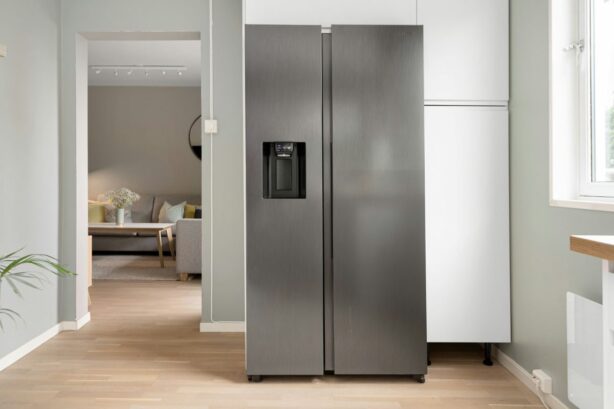
Choosing the right refrigerator water filter might seem simple, but it’s easy to make mistakes and end up with something that just doesn’t work for your fridge and your family.
Don’t choose by brand name, cartridge appearance, or price alone.
Instead, confirm the exact model number, check compatibility, review what the filter is designed to reduce, consider your household’s water use, and follow the correct installation steps.
A well-matched refrigerator water filter is a small maintenance item, but it can make daily routines so much easier when you’re filling water bottles, making coffee, cooking, and more throughout your day.