
Grocery shopping for a family can end up feeling like a math exam when you’re trying to save money.
One box is labeled as family size, another is on sale, a third has a bright sticker promising better value, and your child is asking whether you can please buy the cereal with the cartoon character on it.
With so many options, figuring out how to get the most bang for your buck isn’t always an easy job.
For parents, the cheapest item on the shelf is not always the best deal. The bigger pack is not always smarter either.
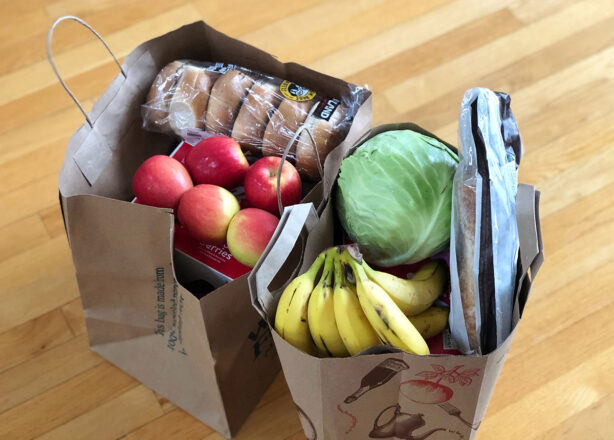
The right grocery choices depend on a combination of price, quantity, freshness, how fast your family will use it, and whether the food actually fits your meal needs for the week.
This matters more than ever right now, because grocery prices have become a real pressure point for many families.
Statistics Canada reported that grocery prices rose faster in 2025 than in 2024, with food purchased from stores increasing 3.5% on an annual average basis.
On top of that, Canada’s Food Price Report for 2026 is predicting that food prices may rise 4% to 6% over the course of the year, with an average family of four expected to spend up to $17,571.79 on food.
Luckily, there are still ways to save that don’t involve depriving your family or becoming an extreme couponer.
Instead, a few smart comparison habits can help you buy more, spend less, and still ensure your family has food they love.
Start With the Unit Price
The first thing to check is the unit price. This price tells you how much you are paying per gram, kilogram, ounce, liter, serving, or item.
For example, a small bag of rice may cost less overall, but a larger bag may cost less per kilogram.
The larger bag is only the better deal if your family will use it before it gets stale, spills, attracts pests, or sits forgotten in the pantry.
Unit price is especially useful for foods your family buys again and again, things like pasta, oats, flour, rice, cereal, cheese, yogurt, crackers, fruit snacks, juice boxes, and lunchbox supplies.
A simple rule to remember is to compare the same measurement. Don’t compare one product by package price and the other by serving count.
That is where grocery labels can trick tired parents into spending more than they planned.
Bigger Is Better Only If You Use It
Buying in bulk can save money, but only when the food fits your real life.
A huge tub of yogurt may be cheaper than small cups, but it’s not a deal if half of it spoils.
A large bag of apples may be cheaper per pound, but not if your kids only eat apples for two days and then suddenly decide they hate them.
Parents know this kind of food mood swing can happen almost any time.
It’s important to remember that reducing food waste and making the most of your food budget go hand-in-hand.
So, take some time to see if there are items you often end up throwing out before they’re used, and consider adjusting what you spend on them accordingly.
Before choosing that bigger pack, here are some helpful questions to ask:
- Will we use this within its safe storage time?
- Can I freeze part of the package?
- Can it work in more than one meal?
- Do the kids actually eat this without a battle?
- Do I have space to store it properly?
Compare the Real Difference, Not Just the Sticker Price
Sometimes two grocery options are close enough that the better deal isn’t immediately obvious.
One box may be bigger, one may be cheaper, and one may have more servings.
This is where calculating percentage difference can help parents understand how much more they are really paying, or saving, before putting those groceries into their cart.
For example, imagine one box of crackers costs $4.00 and another costs $5.20.
It’s easy to recognize that the second one is $1.20 more, but that number alone doesn’t mean it’s worse value.
If the more expensive box has many more servings, it might still be the better choice. If it only has a little more actual product inside, that “family size” label may not mean much.
Comparisons like this are useful for more than just groceries, too.
Try to use the same thinking when comparing diapers, wipes, shampoo, sunscreen, lunch containers, school snacks, and other consumables.
Keep a Small List of Family Staples
Every family has foods that disappear quickly.
For some, it might be bananas and peanut butter. For others, it’s cheese, bread, yogurt, pasta, or cereal.
Create a short list of 10 to 15 items your family buys the most often.
For those specific items, try to learn the usual price range.
You don’t need to track every grocery in a spreadsheet. Just knowing that your regular pasta is usually around a certain price helps you spot whether a sale is actually good.
This also helps kids learn about making similar comparisions.
If your child is out shopping with you, let them compare two cereal boxes or snack packs. Ask, “Which one gives us more for the money?”
It turns shopping into a real-life money lesson without making it stressful.
Plan Around Meals, Not Just Deals
A sale is only useful if it fits your meal plan for the week.
One of the single best ways to save money on your grocery shopping, while eating better at the same time, is by meal planning.
If you’re new to the concept, start simple. Plan a few meals for the week, and then look for deals on the foods that you’ll be using for them.
It helps to think beyond a single meal, as well.
For example, if chicken is on sale, think beyond one dinner. Could you take advantage of that deal and use the extra chicken for wraps, soup, pasta, or lunchbox leftovers?
If berries are discounted, could they be eaten fresh, frozen for smoothies, or used in muffins?
With a bit of planning, you can take advantage of those great food deals without worrying about waste.
Teach Kids the Importance of Value
Kids often notice the packaging before the price, and that’s normal.
Bright colors, characters, and small snack packs are designed to get attention.
Instead of simply saying no when your child asks for those appealing-looking items, try explaining the choice.
You might explain a snack has tiny packages, so you won’t get as much food. Or tell them that a bigger box is actually cheaper, once you divide it into individual containers.
While there’s nothing wrong with a special treat every once in a while, having these small conversations can help kids understand value in a practical way.
It’s also a good way of helping your kids feel involved the process of shopping and making choices together.
The Best Deal Is the One That Works For Your Family
When it comes to making the most of your grocery budget, you don’t need to spend hours doing math and comparing sales.
Rather, you simply need to find the best ways to save on the food your family will actually eat.
Whether that’s starting to meal plan and shop sales accordingly, or deciding what foods your family eats enough of that it’s worth buying in bulk, small changes can add up to big savings.
Remember, a bigger pack can be a better deal; but only if it gets eaten after it gets home, instead of just sitting in your pantry.
This guide really speaks to the chaos of grocery shopping with kids. I felt seen when you mentioned the cereal with the cartoon character! I’ve definitely stood in the aisle doing mental math while my toddler tries to grab everything in sight. The point about bigger packs not always being smarter hit home, especially with perishables like produce or dairy.