
When it comes to feeding your little one, glass baby bottles have been making quite the comeback in recent years.
But, if you’ve been on the fence about whether they’re worth the upgrade from plastic, you’re not alone.
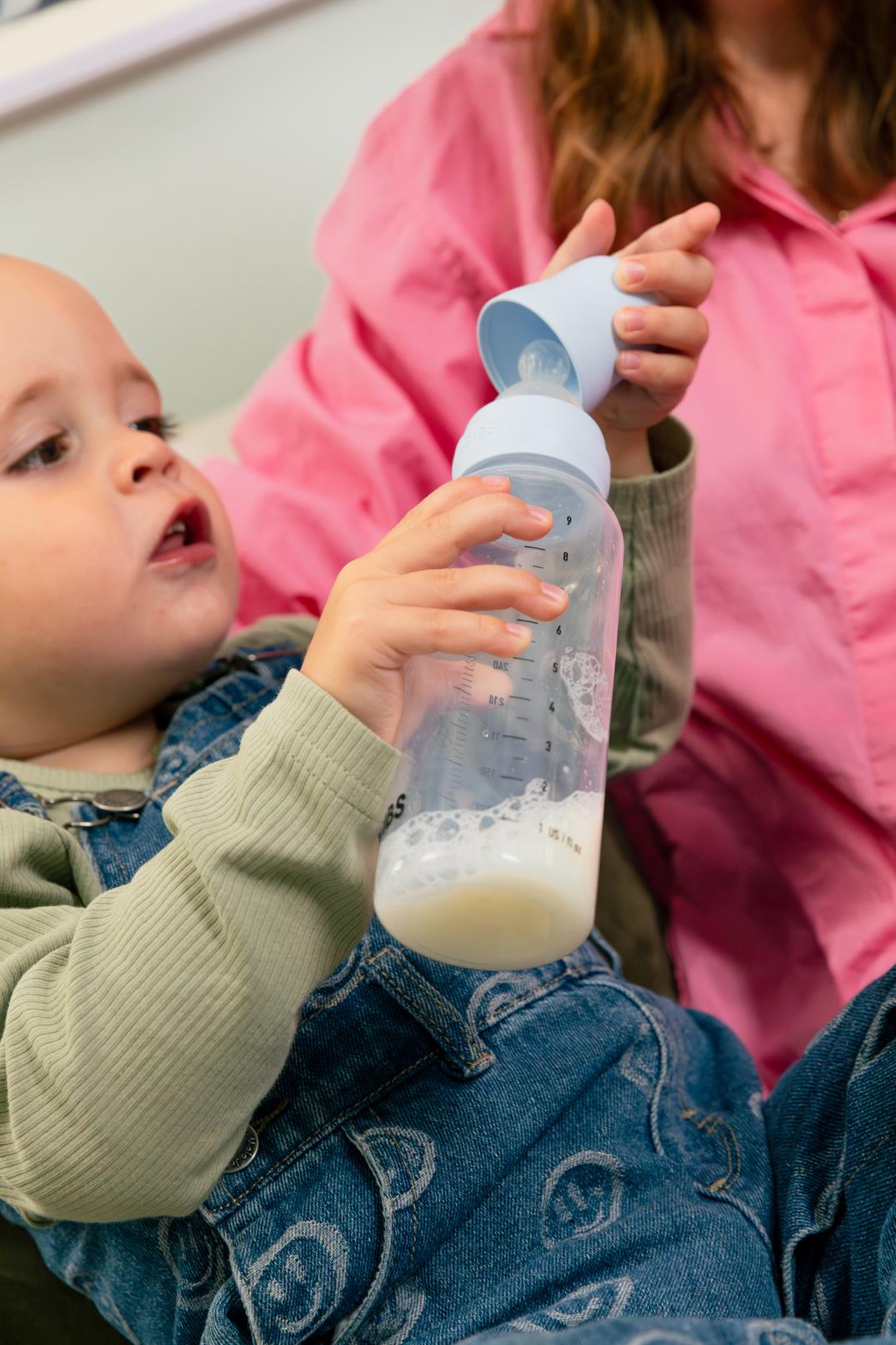
As with many decisions you’ll make for your baby, deciding to upgrade to glass bottles or not depends on your situation.
When you see the baby bottles from BIBS and other glass bottle providers, it may be tempting to immediately switch from plastic to glass.
Still, before you make your final decision, keep this information in mind to help you make a smart decision that works for you and your little one.
Benefits of Glass Bottles
Glass bottles definitely tend to look nicer than plastic ones, but making the switch isn’t just about aesthetics.
Here are a few reasons parents tend to choose glass instead of plastic:
No Plastic Concerns
According to the U.S. Food and Drug Administration, concerns around BPA led to significant changes in how baby bottles are manufactured and regulated.
While BPA has been phased out of most baby products, and banned from being used in baby bottles in North America, there are concerns other chemicals could leach out of BPA-free plastic substitutes.
That’s one of the main benefits of glass bottles, as glass remains the material that avoids those concerns entirely.
It’s also chemically inert, meaning it won’t absorb odors, stains, or residue from formula or expressed milk.
After months of daily sterilizing, a glass bottle looks essentially the same as when you bought it. A plastic bottle often wears down in the same timeframe.
Easier to Clean Properly
Glass is non-porous, so bacteria is less likely to find a way to seep into the material.
It also holds up better to repeated high-temperature washing without degrading over time.
For parents who are thorough about sterilisation, glass is simply a more cooperative material to work with.
The Honest Downsides
As with anything, there are downsides to glass bottles as well. Here are some to consider:
Heavier Material
Glass bottles are heavier than plastic, which may become a concern once your baby starts holding the bottle independently.
A 240ml glass bottle weighs considerably more than its plastic equivalent, and small hands notice the difference.
Breakability
While glass bottles aren’t as fragile as you might assume, a hard drop on a tile floor will still end badly.
To help minimize the chances of bottles breaking, look for baby bottles made with borosilicate glass, the same tempered material found in laboratory equipment.
Bottles that feature silicone sleeves to help absorb impact can also be a smart choice if you go the glass route.
Initial Price
The upfront price of glass is definitely higher than that of plastic bottles, which may put it beyond your budget initially.
However, it’s worth remembering that glass bottles tend to outlast plastic ones by a significant margin, which can balance out the cost over time.
Who Glass Bottles Actually Work Best For
In many cases, glass makes the most sense for parents who warm bottles frequently, since it heats evenly and doesn’t raise the same concerns as repeatedly heating plastic.
It’s also a good fit for parents already choosing natural materials across their baby’s environment.
Remember that safe bottle feeding depends as much on technique and hygiene as it does on the bottle itself.
Correct sterilization, proper milk storage, and regularly checking nipple flow are all important, regardless of what the bottle is made from.
What to Look for When Shopping for Bottles
Whether you decide on glass or plastic, look for features that will make bottle feeding easier and safer.
A wide neck for easier cleaning and filling, a slow-flow nipple to start, one-piece nipple construction with no separate parts that can trap residue, and volume markings that stay legible after repeated washing are all good to prioritize.
It’s also worth considering compatibility with other products you might be using.
For example, if you already use BIBS pacifiers, then using their bottles with an identical nipple shape can help keep your feeding system consistent.

In the end, deciding to use glass bottles is something that will really come down to your personal preferences and how well the bottles will work with your lifestyle.
Take a look at some of the options available, compare features and costs, and then make your choice.
Both glass and plastic can be great choices, as long as you take some time to shop around and find the best options for your little one.