
Buying a home is exciting, but it can also feel overwhelming. You want a place where your family can settle in, make memories, and feel comfortable for years to come.
At the same time, you need to make sure the house fits your budget and won’t leave you dealing with expensive repairs shortly after moving in.
It’s easy to fall in love with a beautiful kitchen, spacious living room, or backyard where the kids can play.
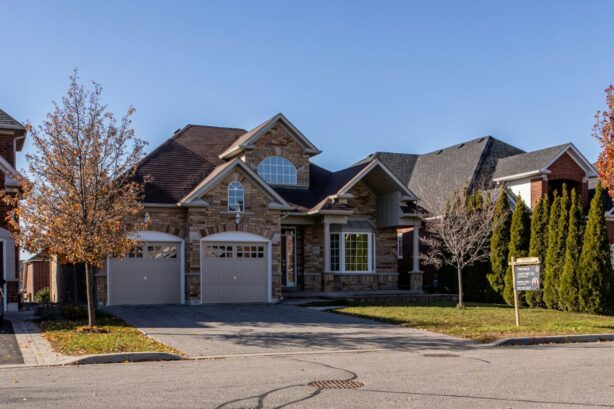
But, the features that catch your eye during a viewing aren’t always the ones that matter most once you’re living there.
Before you make an offer, take time to look beyond the overall appearance of the home you’re considering.
Construction quality, energy efficiency, storage, and layout can all affect your family’s comfort and finances.
Whether you’re buying your first home, or looking for more space as your family grows, here are ten things to consider when buying a home for your family:
1. Examine Construction Quality
Fresh paint and new flooring can make almost any house look clean and appealing.
But, cosmetic updates don’t necessarily mean the home has been well maintained.
When you tour a property, look closely at the walls, floors, ceilings, and visible foundation areas.
Look for unusual cracks, uneven floors, water stains, or doors that don’t close properly. These issues don’t always mean major problems, but they do deserve a closer look.
It’s also worth asking about renovations, additions, and repairs. that have been done. Make sure the necessary permits were obtained, and see whether the seller has records of the work.
Most importantly, arrange a professional home inspection before finalizing your purchase, where possible.
An inspector can identify potential problems and help you understand if there are any repairs that need immediate attention.
2. Choose a Location That Works for Your Family
Even the most perfect house can be a bad investment if it’s in a neighborhood that doesn’t work for your family.
Long commutes, limited services, and inconvenient school routes can make everyday family life harder than it needs to be.
Before choosing a property, think about where you and your family spend your time. Consider your workplace, your children’s schools, grocery stores, medical clinics, and recreational facilities.
If you drive the kids to school before heading to work, for example, test the route during the morning rush.
A drive that takes ten minutes on a quiet afternoon might take considerably longer when everyone is on the road.
You should also consider the neighborhood’s climate and environmental conditions. Portland homes, for example, may need better drainage and moisture protection, because of the rainy winters.
Traffic, noise levels, street lighting, and general activity are all worth considering. If you can, talk to a few locals about their likes and dislikes.
Knowing
The right location should make your family’s daily routine easier, not add more stress to an already busy schedule.
3. Look at Energy Efficiency and Insulation
Heating and cooling costs can take a noticeable bite out of your household budget. That’s why energy efficiency should always be considered when buying a home.
Start by checking the windows, exterior doors, and insulation.
Drafty windows, gaps around doors, and poor attic insulation can make it harder to keep your home comfortable throughout the year.
These problems are particularly important in areas with cold winters or hot summers.
If your heating system has to work harder to maintain a comfortable temperature, your utility bills may be higher than expected.
Ask about the age and condition of the furnace, air conditioner, or other heating and cooling equipment.
Find out when the systems were last serviced and whether any major repairs have been needed.
You can also request recent utility bills to get an idea of your potential future utility costs.
Remember that your expenses may not be quite the same, depending on your family’s size, daily habits, and preferred indoor temperature.
When you’re comparing properties, it’s always a good idea to consider the purchase price alongside the likely monthly expenses.
A slightly more expensive home with better insulation and an efficient heating system could cost less to operate over time.
4. Make Sure the Layout Fits Your Daily Routine
A bigger house isn’t always a better house. What matters is whether the available space works for your family’s needs.
Think about your typical day.
Where will the kids do homework? Is there enough room to prepare meals while everyone is moving through the kitchen? Can you relax in the living room without feeling surrounded by clutter?
Pay attention to how the rooms connect to one another, as well.
A laundry area near the bedrooms can make laundry day easier, while a kitchen close to the dining area can simplify family meals.
If you work from home, think about whether you’ll have a quiet space for calls and focused work.
If your children share bedrooms, think about whether the layout gives everyone enough privacy as they grow.
Finally, consider little details that might make your life easier or harder.
Narrow hallways, awkward doorways, and limited furniture placement options can become frustrating once you’re actually living in your new home.
Try to imagine your family’s actual belongings in each room, to see if the home will fit your overall needs.
A practical layout can make everyday life easier, even if the home has less square footage than another property you’re considering.
5. Inspect the Roof, Plumbing, and Electrical Systems
Some of the most expensive home repairs involve things you might barely notice during a viewing.
The roof, plumbing, and electrical systems all need to be in good working order to keep your home safe and functional.
Start by asking about the roof’s age, maintenance history, and any previous problems or repairs.
Look for visible signs of damage, such as missing shingles or water stains on ceilings.
The expected lifespan of a roof depends on its materials and condition, so don’t assume an older roof isn’t perfectly functional.
Still, it’s worth double-checking to ensure you won’t be surprised by a sudden repair bill.
Next, check the plumbing. Look under sinks for leaks, examine the area around the water heater, and ask whether any pipes or fixtures have recently been replaced.
Signs of water damage and persistent musty smells are worth looking into in more detail.
Electrical systems are equally important, especially in older homes. Ask about the electrical panel, wiring, and any previous upgrades.
If you plan to add appliances, create a home office, or install an electric vehicle charger, you should understand whether the existing system can support those needs.
A home inspector can help identify concerns, but some problems require a closer assessment from a qualified electrician, plumber, or roofing professional.
If your inspection finds anything that might indicate a future issue, it can be well worth hiring an expert to determine if there are any issues before you buy.
6. Consider Smart Home Features and Practical Design
Smart home technology can make family life more convenient, but not every gadget is worth paying extra for.
Programmable thermostats, automated lighting, video doorbells, and connected security systems can definitely help you manage your home more easily.
Not only do these smart home features let you enjoy a comfortable living space, they can help minimize your use of heat and electricity when not needed.
But, some smart home features do have ongoing costs, from subscriptions to reliable internet access to regular software updates.
Other smart devices may depend on accounts that the previous owner controls.
Before buying a home with connected devices, ask which systems are included and whether ownership can be transferred securely.
You should also find out whether the features will work with your existing devices.
It can also be useful to see if the house is designed in a way that makes life easier.
Conveniently placed outlets, easy-to-clean flooring, durable countertops, and accessible light switches can make a noticeable difference in a busy household.
Keep in mind that some features may be more useful than others, depending on your family’s needs.
If you have young children, for example, durable surfaces and easy-to-reach storage may be more useful than elaborate smart features you’ll rarely use.
7. Pay Attention to Natural Light and Ventilation
A home can look beautiful during a showing but feel very different once you’ve actually moved into it.
Natural light, fresh air, and comfortable indoor temperatures all contribute to how welcoming a space feels.
When viewing a property, notice how sunlight enters each room.
A bright living room might be lovely on a winter afternoon, but consider whether direct sunlight could make it uncomfortably hot during summer.
Think about the way light enters the bedrooms as well.
If your children go to bed early, you may prefer rooms that can be darkened easily. If you work from home, a bright space with limited glare might make your workday more comfortable.
Finally, make sure to check ventilation in kitchens, bathrooms, and laundry areas.
These rooms are more prone to moisture, and should have properly functioning exhaust fans and windows that open easily to help control humidity.
Look for warning signs of poor ventilation, which may include condensation, peeling paint, musty smells, or discoloration around windows and ceilings.
These conditions can have several causes, but they may indicate moisture problems that need further investigation.
8. Check the Storage Space and Room to Grow
If you’ve ever struggled to find room for school supplies, winter coats, sports equipment, and holiday decorations, you already know how important storage can be.
When viewing a home, open the closets and cabinets to see their layout.
Look at the pantry, bathroom storage, utility areas, and garage.
Don’t just count the cupboards. Think about whether they’ll actually hold the things your family uses every day.
And, don’t forget about seasonal items. Depending on where you live, you might need space for snow shovels, winter tires, camping equipment, or outdoor toys.
Most importantly, try to think about the next few years. Your current storage needs may change as your children grow or your family circumstances shift.
A spare bedroom could become a home office, a guest room, or a teenager’s retreat. A flexible living area might eventually accommodate a different furniture arrangement or a new hobby.
You don’t need to buy a house that’s way bigger than what you actually need.
However, choosing a home with spaces that can be adapted to different uses can save you from needing expensive renovations when your family’s needs change.
9. Calculate the Real Cost of Homeownership
Your mortgage payment is only one part of the cost of owning a home.
Property taxes, insurance, utilities, maintenance, and unexpected repairs can all affect your monthly budget.
Before making an offer, work out what the property is likely to cost beyond the purchase price.
Start by reviewing the available information about property taxes, insurance, and utility expenses. Then, consider which major components may need attention in the coming years.
An older home might need a new roof or furnace sooner than you’d like.
That being said, a newer property can also have maintenance needs, so it’s important to look at the actual condition rather than relying on age alone.
Ask the seller about recent improvements and request maintenance records where available.
If your home inspection identifies potential problems, get estimates from qualified professionals before deciding whether the home fits your budget.
It’s also wise to set aside money for ongoing maintenance and unexpected repairs. Even a well-maintained home will eventually need work.
If you’re already juggling childcare expenses, groceries, and other family bills, it can be crucial to leave yourself some financial breathing room.
Choosing a home you can comfortably afford is more important than stretching your budget to get an extra bedroom or a larger backyard.
10. Think About Resale Value and Your Future Needs
Even if you plan to live in your new home for decades, it’s worth considering how easily you could sell it if your circumstances change.
A new job, a growing family, or a need to live closer to relatives could all affect your current plans.
A home with practical features and a desirable location may give you more flexibility if you eventually decide to move.
Look for features that are likely to remain useful to future buyers, such as a functional kitchen, adequate storage, comfortable bedrooms, and well-maintained essential systems.
Neighborhood amenities also make a big difference in resale value.
Access to transportation, schools, healthcare, and shopping can influence how appealing a property is to other households.
Be cautious about unusual design choices that would be expensive to change.
A highly specialized room or awkward floor plan might suit your family perfectly, but appeal to fewer buyers later.
That doesn’t mean you should choose a home based entirely on resale value. Your family’s comfort and needs matter, too.
Instead, look for a balance between the features you love and the practical qualities that may help the property remain appealing over time.
Ofc ourse, real estate values can rise or fall depending on market conditions, so resale value is never guaranteed.
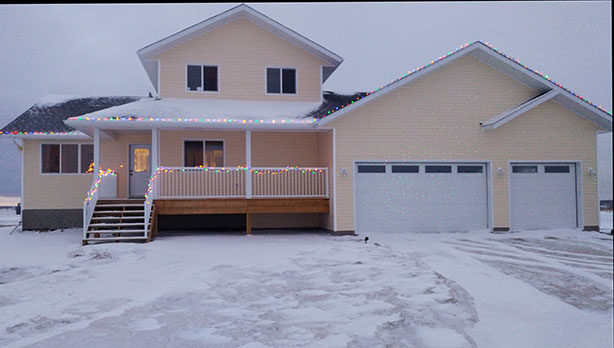
Buying a home is about more than finding a property with enough bedrooms or a kitchen you love.
You also need a place that supports your family’s routine, fits your budget, and won’t leave you facing unexpected expenses.
Before making an offer, ask questions, review the available documents, and arrange a professional inspection.
Compare properties based on how well they meet your family’s needs, not just how impressive they look during a showing.
The best home for your family isn’t necessarily the biggest, newest, or most expensive one.
It’s the home that offers a comfortable place to grow while being designed in a way that makes everyday life a little easier.
