
Children don’t always tell you when something has frightened them. Often, they’ll be much more likely to show you.
A preschooler who was sleeping through the night suddenly starts waking up at odd hours. A ten-year-old who loved hockey suddenly doesn’t want to go. A teenager who used to chat at dinner disappears into their room.
Whether your child was involved in a car accident, a house fire, a frightening hospital stay, or a loss in the family, small behavioral changes are often the first sign that they’re struggling.
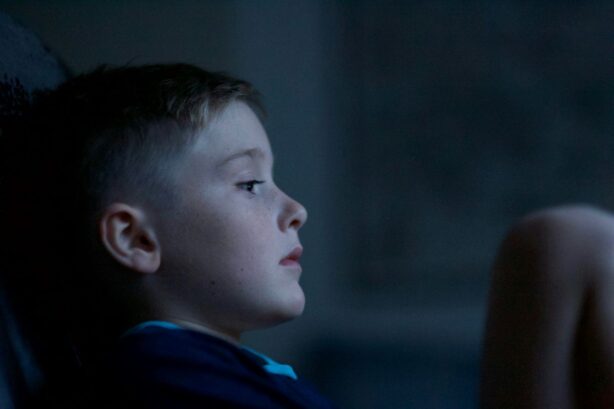
Fortunately, most kids can bounce back from those scary experiences with time and steady support from the adults around them.
Knowing what signs to look for in your child and what you can do to help support them can make their recovery smoother.
If you’re worried about your child’s reaction to a traumatic event, this information on helping kids cope with trauma can help them move through their fear and thrive.
What Reactions Are Normal At Different Ages
According to a guide published by the US National Institute of Mental Health (NIMH), children often experience a wide range of reactions after a traumatic event.
Young children, five and under, may cling to caregivers, cry, have tantrums, become irritable, go back to earlier behaviours like bed-wetting or thumb-sucking, become more fearful, or act out the event in their play.
Older children and teens may struggle at school, withdraw from family and friends, avoid reminders of what happened, show anger or destructive behaviour, or, in some cases, turn to substances.
At any age, children may complain of stomach aches or headaches, have nightmares or trouble sleeping, find it hard to concentrate, or lose interest in things they used to enjoy.
It’s important to remember that many of these reactions are normal and will fade over time.
And, keep in mind that siblings may react very differently to the same event, too. One child may seem completely unaffected, while another struggles for weeks.
Neither response means something is wrong with them. Rather, each child is simply processing their fear in their own way.
What Helps At Home
As a parent, it’s only natural to want to help your child get over their fear as soon as possible.
The things that can help them move past their fear are often very simple. Here are some good starting points:
Keep Them Safe and Cared For
Meeting basic needs, like food, sleep and a sense of physical safety can have more impact on your child’s comfort than almost anything else.
Let Them Express Their Feelings
Children may want to talk, draw, write, or play about what happened. Let them share their thoughts in a way that makes them feel comfortable, without forcing them to confront their feelings if they’re not ready.
Limit Screen Use and Access to News
Repeated coverage of a frightening event can keep fear alive, as can seeing similar events take place online. Keeping them away from potential triggers can help speedy recovery.
Stick To Routines
Familiar mealtimes, bedtimes, and school routines are a way of showing your child that the world is still predictable after having to deal with an unpredictable situation.
Offer Small Choices
Often, the feeling of helplessness is one of the hardest things for a child to deal with during a scary situation. Choosing simple things, like what to wear or what’s for dinner, gives children back a sense of control.
Watch For Changes
Keep an eye on sudden shifts in behavior, speech, or mood. If you notice changes that are worrying, consider talking with a professional to get some guidance on how to proceed.
There are also a few things that you should avoid when helping your kids cope with trauma.
Don’t encourage your children to be brave or tough. Don’t pressure them to talk before they’re ready. Don’t get angry when their emotions might be more intense than usual. And, don’t make promises you can’t keep, such as “nothing bad will ever happen again.”
The Comfort of Animals
It’s no secret to most people that animals are a strong source of comfort in difficult situations.
And, that can be especially helpful if your child is struggling to express themselves after a traumatic event.
A child who won’t talk about their feelings at the kitchen table might happily chat to the family dog, or lean against a horse at a riding stable to relieve stress.
That has led some therapists to include animals in their work, especially for older children, teens, and adults dealing with trauma.
The key is to keep sessions interactive, letting kids and teens spend time with an animal in a low-pressure environment.
For example, experts on horse-based therapy for trauma explain that sessions usually involve grooming, leading, and simply spending calm time with the animal, not riding.
For younger children, a calm pet, a visit to a petting farm, or simply a cuddly animal toy can offer comfort at home while they process what happened.
While many children have shown promising improvements after interacting with animals, it’s important to remember that the research on animal-based therapies is in its early stages.
Ideally, it should be looked at as a possible addition to therapy or other proven care methods. Check with your child’s doctor if you have any questions or concerns before starting.
When to Get Professional Help
According to experts, you should consider contacting your primary health care provider if your child’s symptoms last more than a month, or if new problems develop.
Warning signs that your child may need more support include flashbacks, a racing heart, sweating, being easily startled, seeming emotionally numb, or feeling deep sadness that lasts more than a few weeks.
If you’re concerned, don’t wait for symptoms to get debilitating before asking for help.
Even if your child’s reactions seem minimal, your doctor can check for physical causes, talk through what’s going on, and refer your child to a mental health professional, if needed.
It’s also worth remembering that frightening events affect parents too.
Look after your own wellbeing, and get support if you’re struggling. When you’re feeling healthy and strong, you’ll have a much easier time helping your kids cope with their trauma.
If a Child is in Crisis
If your child talks about hurting themselves or seems to be in immediate danger, get help immediately.
In Canada, Kids Help Phone is available 24/7 for young people aged 5 to 20 by calling 1-800-668-6868, or by texting CONNECT to 686868.
Across North America, people of all ages can call or text 988 to reach the Suicide Crisis Helpline twenty-four hours a day.
If you’re ever concerned your child is in immediate danger, call 911.

When your child is dealing with a scary situation, it’s only natural to want them to feel better as quickly as possible.
But, you don’t need to have the perfect words or the perfect reaction when helping your kids cope with trauma.
For the most part, they’ll need what they’ve always needed from you: safety, patience, kindness, and compassion.
If your child seems to be struggling regardless, then reaching out for help is the best thing you can do to make sure your child moves past their fear and is able to enjoy childhood again.
Sources
- National Institute of Mental Health: Helping children and adolescents cope with disasters and other traumatic events (NIH Publication No. 22-MH-8066). https://www.nimh.nih.gov/health/publications/helping-children-and-adolescents-cope-with-disasters-and-other-traumatic-events
- Kids Help Phone: Kids Help Phone is Canada’s only national, 24/7 e-mental health service (Phone 1-800-668-6868, or text CONNECT to 686868, 24/7, ages 5–20). https://kidshelpphone.ca/
- 988 Suicide Crisis Helpline: USA and Canada (call or text 988, 24/7). https://988lifeline.org/
