
Updating your child’s room usually starts with something simple; a bed they’ve outgrown, toys taking over every surface, or a space that just doesn’t feel like them anymore.
But, once you get further into the job, you’ll likely realize these upgrades are about more than just decor.
You’re trying to create a room that works for your child now, and still makes sense a few years from now.

That’s where a bit of planning goes a long way. It doesn’t need to be a complicated process.
Instead, just try to make sure you’ve thought out your plan, so that you’re not redoing everything in a year or two.
Use these tips to help give your child a room they’ll enjoy today and in the future!
Start By Looking to the Future
One of the most helpful ways to approach a room update is to think beyond your child’s current stage.
A toddler’s needs are very different from a school-aged child’s, but the room itself doesn’t have to be completely reinvented each time.
If you focus on the bigger elements, like flooring, lighting, and long-lasting furniture, you can more easily create a room that will last, even as your child grows.
Plan Your Child’s Furniture Layout
Layout matters more than most people expect, especially in a smaller room.
Where you place the bed, storage, and play areas will shape how the space actually functions day to day.
It helps to think in terms of zones. A clear sleeping area, a spot for toys or play, and eventually a place for homework can make the room feel more organized without adding more furniture.
Incorporate Natural Light
Setting up your child’s room so that it takes advantage of natural light can make a big difference in their mood and focus.
Consider placing your child’s desk or reading corner in a way that lets them benefit from the natural light more easily.
When you set up the space, it’s also a good time to check the window itself to ensure it’s working as it should be.
Drafts, condensation, or difficulty opening and closing the window can affect the comfort of the whole room, especially in colder climates.
At this point, it’s probably best to look into how to replace windows in Ontario? or your own area, to make sure that the new interior is protected by energy-efficient windows that meet local building codes.
When you’re already updating the space, it can make sense to replace outdated windows and doors as well.
Keep a Neutral Backdrop When Styling
When it comes to picking a room that will suit your child’s style, it can be tempting to get a little over-the-top with a theme or bold colors.
But, it’s important to remember that kids tend to change their preferences quickly, which could mean having to start styling from scratch sooner than you’d like.
Instead, keep your larger, more permanent elements like walls, bigger furniture pieces, and flooring in more neutral tones.
Then, show off your child’s personality with smaller items that are easy to switch as their favorite things change.
Bedding, wall art, rugs, and accessories can completely change the feel of a room without requiring a full redo every time their interests shift.
Plan For Durability and Storage
When it comes to a kid’s room, planning for both durability and organization will save you plenty of hassles in the future.
Kids can be hard on their things, so look for finishes and fabrics that can stand up to some rough use, whether you’re choosing wall paint or bedding.
And, of course, kids can also be messy. Plan storage that’s easy to use and within your child’s reach.
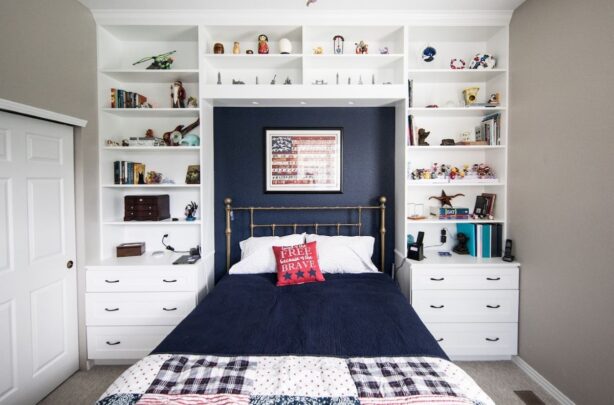
Simple and accessible storage, including bins, low shelves, and under-bed drawers can help teach your child how to keep their room tidy.
At the end of the day, updating your child’s room isn’t about creating something that looks like it belongs in a home decor magazine.
It’s about making a space that works for your family right now, while giving yourself enough flexibility that it can grow along with your child.
When you get that balance right, it gives your child a room that can evolve as they grow, showcasing their style in a fun and functional way.