
While there’s lots of surprises that come with parenting for the first time, many don’t expect just how overwhelming buying baby food can be.
Between the colorful packaging, nutrition claims, and endless varieties, it’s easy to wonder if you’re making the right choice when you finally do make a decision.
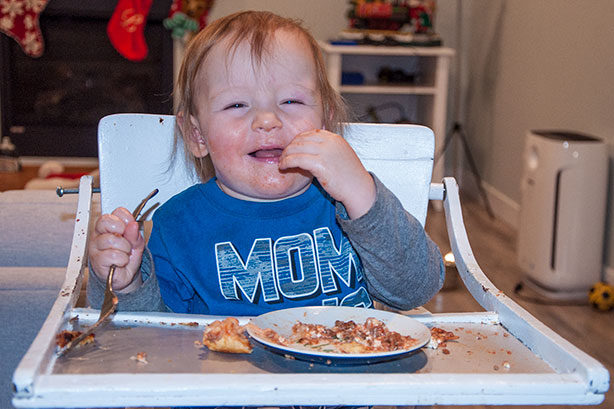
Luckily, for the most part, buying baby food doesn’t have to be complicated.
The key is often as simple as making sure your little one’s food has simple, wholesome ingredients that will nourish their growth.
If you’re not sure where to start, here are nine questions worth asking yourself before you decide on the right baby food.
1. What are the ingredients?
Any decision about baby food should always start with the ingredients.
Generally, shorter ingredient lists with recognizable foods are easier to understand and compare.
Whether you’re buying purées, meals, or snacks, it’s helpful to know exactly what your baby is eating, and every ingredient should be one you recognize.
2. Does it provide meaningful nutrition?
Look for foods that provide nutrients babies need for healthy growth. These should usually include:
- Protein
- Healthy fats
- Iron
- Zinc
- Fiber (when age-appropriate)
While some foods should only be introduced in your baby’s later months, some foods are essential as soon as your little one starts eating solids.
3. Is there added sugar?
For the most part, babies and toddlers don’t benefit from added sugar.
Additionally, many foods often given to babies, including sweet potato, apple, and banana, have enough naturally occurring sugar to be appealing to little ones.
Checking the nutrition label can help you distinguish between naturally occurring sugars and added sweeteners.
4. Is the texture appropriate for my baby’s stage?
As babies grow, their palates develop and they start to find a wider variety of foods appealing.
A smooth purée may be perfect for the youngest little ones, while older babies may be ready to explore chunkier textures or finger foods.
Choosing foods that match your baby’s developmental stage makes mealtimes safer and more enjoyable.
However, remember that just like finding the right formula for your baby, choosing a food that’s appropriate for their current eating habits is something that may vary from child to child.
5. Am I introducing enough variety?
It’s tempting to buy the same flavors over and over because you know your baby likes them.
But, introducing different vegetables, fruits, and proteins helps expose little ones to a wider range of tastes and textures.
Many parents don’t realize that most food aversion is due to texture, not taste.
So, introducing your little one to a wide range of those textures will help ensure healthy eating in their older years.
And, remember that even if they reject something today, they may happily eat it next week.
6. Am I comparing products instead of marketing claims?
Words like “natural,” “wholesome,” or “made with real fruit” sound reassuring, but it’s still important to do your own research.
Instead of focusing on the front of the package, compare ingredient lists and nutrition information to decide what will be best for your little one.
After all, the best baby food isn’t determined by clever marketing.
Instead, it’s the option that supports your baby’s nutritional needs while fitting your family’s budget, schedule, and feeding goals.
7. Is it easy to serve safely?
Babies have different needs when it comes to safety, so keep these in mind when choosing baby food.
Consider whether the food is appropriate for your baby’s age, and whether it might need to be cut, mashed, or served differently to reduce the risk of choking.
Some foods, like banana, are easy to prepare and serve to even the youngest little ones, while others may require more preparation.
Always supervise your baby during meals and snacks, especially when introducing new textures, and keep an eye out for potential allergic reactions after introducing a new food.
8. Will my baby actually enjoy eating it?
Any parent knows that kids can be notoriously fickle eaters, and that’s true for babies as well.
One day, they might happily eat sweet potato, and the next, they’ll refuse to even look at it.
That’s completely normal. Keep offering a variety of foods without pressure.
Repeatedly introducing a food, even if it’s rejected, often helps babies become more comfortable with new flavors.
9. Am I buying too much at once?
If you find a good deal, it can be tempting to stock up before your baby has even tried a new food.
Instead, consider buying smaller quantities until you know what your little one enjoys.
This helps reduce food waste and gives you the flexibility to introduce more variety as your baby’s preferences develop.

The baby food aisle can feel intimidating, especially for first-time parents, but remember that there really is no perfect choice.
By focusing on ingredients, nutrition, variety, and your baby’s developmental stage, you’ll find it much easier to find foods that work for your little ones.
Most importantly, remember that introducing your baby to solid foods is about more than just nutrition. It’s about setting the stage for a lifetime love of food.
With some patience, persistence, and experimentation, you can help ensure your baby has a passion for healthy eating that lasts throughout their childhood.