
Renovating your home can be exciting, whether you’re finally finishing the basement, updating your kitchen, adding more space for the kids, or tackling the exterior projects you’ve been putting off for years.
But, once the work starts, your home can feel very different than it did before, and that includes a noticeable increase in safety risks.
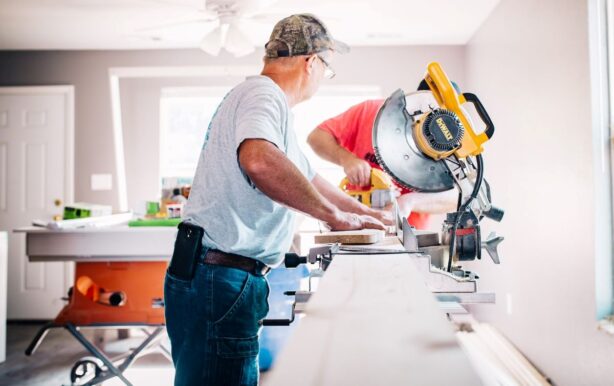
Suddenly, there are tools everywhere, construction materials stacked in corners, unfamiliar people coming and going, and areas of the house that are completely off-limits.
For kids, all of that can seem like a fun and interesting adventure.
For a parent, though, it can be one more thing to worry about, when you’re already trying to keep everyone fed, dressed, entertained, and where they’re supposed to be.
Luckily, there’s no need to put major home renovations on hold just because you have kids at home.
According to top companies offering siding services, proper planning and some clear boundaries can go a long way toward keeping everyone safe while the work is underway.
Pre-Renovation Planning and Hazard Identification
Before the first wall comes down or the first box of supplies arrives, walk through your home and think about what could become a problem.
Kids are naturally curious, and a construction site can look like one giant playground.
Ladders, power tools, piles of lumber, wires, paint cans, and so many other materials may be things they’re desparate to investigate.
Take some time to figure out which areas will be under construction, and how you’ll keep your kids away from them.
It’s much easier to make those decisions before the renovation starts than when you’re already dealing with the daily chaos.
Mapping Out Construction Zones and Safe Areas
One of the easiest mistakes to make during major home renovations is relying on verbal warnings alone.
Telling your toddler not to go into a certain area might work for a few minutes.
Then, they hear something interesting on the other side of the barrier, and suddenly they’re off to investigate.
Physical barriers are much more reliable, and can be moved from place to place as needed during a renovation.
Consider setting up sturdy baby gates, temporary walls, fencing, or other appropriate barriers to keep children away from active work areas.
If an entire room is being renovated, keep the door closed and locked when possible.
For outdoor projects, make sure kids can’t wander into areas where contractors are working, materials are being stored, or equipment is being used.
Roofing, siding, landscaping, and other exterior projects can create hazards well beyond the immediate work area.
It’s also a good idea to keep your family’s usual entrances and walkways separate from the routes contractors use to bring in tools and materials.
Vetting Contractors for Child-Friendly Safety Practices
Your contractor should know from the beginning that children are living in the home.
Don’t be afraid to ask how the crew will handle tools, debris, cleanup, and unfinished work at the end of each day.
You want everyone to understand that this isn’t an empty construction site, it’s your family’s home.
Ideally, at the end of the workday, tools should be put away, ladders should be secured, exposed wires should be properly protected, and loose nails or other debris should be cleaned up.
If you’re hiring a company for a larger exterior project, such as new siding, make sure the contractor has a plan for keeping materials, equipment, and debris away from areas where your children play or walk.
A good contractor should be willing to work with you on these safety concerns, rather than treating them as an inconvenience.
On-Site Safety Protocols for Indoor and Outdoor Worksites
Once the renovation process has begun, you’ll need to spend some time monitoring your home to ensure that it’s safe for your children.
An active construction site can have a variety of risks as your renovation goes from its initial first steps to final finishing.
Here are some concerns to keep in mind during major home renovations:
Securing Tools, Equipment, and Building Materials
Power tools and construction materials can be dangerous even when no one is actively using them.
Drills, saws, nail guns, blades, cords, and other equipment should be stored somewhere children can’t access them.
The same goes for things that might not seem particularly dangerous at first glance.
Stacks of lumber, boxes of tile, drywall, buckets, and other heavy materials can tip over or create places for curious kids to climb.
Ask your contractor to keep the work area organized and secure materials properly.
If something looks unstable, don’t assume it’ll be fine until tomorrow. It’s worth dealing with it right away.
Also, pay attention to less obvious hazards, such as open floor areas, holes, exposed nails, sharp edges, or windows that may be accessible from an upper floor.
Managing Air Quality, Dust Control, and Chemical Hazards
Renovation mess can go beyond dirt and debris you’ll have to sweep up later.
Construction work can also create dust and fumes that you don’t necessarily want your family breathing in.
Sanding drywall, removing old materials, painting, using adhesives, and some other renovation jobs can send dust or chemical fumes into the air.
Whenever possible, keep children away from active work areas, and ask your contractor how they’ll control dust and fumes.
Plastic barriers and appropriate ventilation can help keep construction debris from spreading into the rest of your home.
If your renovation involves removing older materials, including lead-based paint, asbestos, or other potentially hazardous substances, make sure they’re handled by appropriately qualified professionals.
And, if you’re choosing paint, finishes, adhesives, or other products for your home during your renovation, ask about lower-emission options where appropriate.
Give Your Kids a Safe Place to Be
One of the best things you can do during a renovation is create a space where your kids can still feel like they have their normal home.
If possible, choose a room away from the construction, and make it their renovation-free zone.
Keep some of their favorite toys, books, games, and other familiar things there, so they have somewhere to play comfortably and without interruption.
This can be especially helpful during long renovations, when the noise, dust, and constant activity can start to wear everyone down.
For younger children who still nap, try to plan noisy work around their sleep schedule when possible.
Older kids may appreciate having a quiet place to do homework or relax away from the construction.
You probably won’t be able to keep life completely normal, but having one predictable space can make a surprisingly big difference.
Establishing Family Routines and Emergency Preparedness
While managing actual, physical hazards is essential during major home renovations, you should also make your your family has a proper routine, and knows what to do in case of an emergency.
Here are some tips to keep in mind:
Setting Boundaries and Educating Children on Site Rules
You don’t need to give your child a long safety lecture before every contractor arrives. Instead, come up with a few simple guidelines they can actually remember.
These could include the following rules:
- Construction areas are off-limits.
- Tools aren’t toys.
- You need Mom or Dad with you before going near the work area.
- Don’t touch wires, materials, or equipment.
- Wear shoes in areas where construction debris could be present.
For younger kids, consider using signs or other visual cues to enforce your rules.
A bright stop sign on a door or a simple construction zone sign can make it easier for them to understand that an area they used to be in frequently is currently different from the rest of the house.
Of course, you should remember that you’ll still need to supervise young children. A sign won’t stop a determined toddler from trying to explore.
Creating Quiet Zones and Managing Routine Disruptions
Even if you’ve planned everything perfectly, major home renovations are going to disrupt your normal routine.
There may be drilling during nap time, workers arriving earlier than expected, furniture that has to be moved, or rooms you can’t use for a few days.
Try to build a little flexibility into your schedule, instead of expecting everything to continue as usual.
If the noise becomes too much, spend an afternoon at the library, visit a friend, head to a playground, or find somewhere else your kids can burn off some energy.
Sometimes, getting out of the house for a few hours is the easiest way to make a particularly chaotic renovation day more manageable.
Have an Emergency Plan
Hopefully, you’ll never need it, but it’s worth making sure your kids know what to do if something goes wrong.
Keep a basic first-aid kit somewhere that’s easy for you to reach, along with flashlights and important contact information.
Make sure everyone in the family knows which areas of the home are safe, and where to go if you need to leave the house quickly.
It’s also helpful to know who to contact if you have a concern about the renovation site.
Keep your contractor’s contact information somewhere convenient, so that you don’t have to search through old emails if you’re already dealing with a problem.
Having kids at home during major home renovations can be messy, noisy, and more than a little frustrating.
There may be days when you wonder why you ever decided to start the project in the first place.
But, you can make things much easier by thinking ahead and planning for any issues that might arise.
Your renovation doesn’t have to be perfect, and neither does your family’s routine while it’s being completed.
The top goal should be to simply to get through the project safely, while creating a home that works better for your family when it’s all finished.
