
The weeks before Pre-K can be a stressful time for both you and your child.
It’s common to be nervous about whether they’re ready for a new environment, and how they’ll handle different interactions.
You may wonder whether your child should practice writing their name, memorize more letters, or learn to sit still for longer.
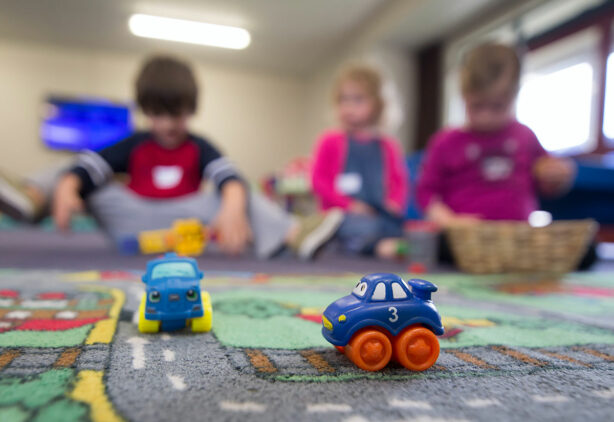
Meanwhile, your child may be wondering in whether the classroom has blocks, whether they’ll make new friends, or what will be served for snack.
Educators at Little Scholars, one of the top Pre-K programs in New York, recommend looking at how different Pre-K classrooms balances play, routines, communication, and individualized support.
Ideally, you should be able to learn about the program before enrollment, and understand what your child’s day will involve.
Once you’ve found a program that you and your child are comfortable with, try these tips to ensure your child is able to thrive in their classroom.
Benefits of Pre-K for Children
It’s common to think of Pre-K as simply an earlier start to a structured school program, which is one of the reasons parents may worry about their child’s readiness.
But, the reality is that your child does not need to recognize every letter, count to an impressive number, or complete worksheets on their own.
In a typical Pre-K program, children learn through stories, pretend play, movement, art, conversation, outdoor exploration, and everyday interactions with teachers and classmates.
Opportunities to learn will still be available throughout the day, but they are incorporated into activities that younger children can enjoy at the same time.
A child building a block tower, for example, may compare heights, count pieces, negotiate space, or adjust their plan when the structure falls.
That simple tower then starts to introduce concepts including early mathematics, language, social problem-solving, and persistence.
Play is not a break from learning in Pre-K; it is one of the primary ways learning happens.
So, rather than focusing on math or language skills, the best way you can prepare your child for Pre-K may mean teaching them to communicate needs, participate in routines, and attempt everyday tasks on their own.
Focus On These 4 Pre-K Readiness Skills
The most useful Pre-K skills aren’t a list of benchmarks children need to master. They are emerging skills that make it easier to participate in a group setting.
Your child may be confident in one area and need help in another, which is entirely normal.
To help your child thrive, focus on teaching them these four essential skills:
Help Your Child Communicate Needs
Communication is a key part of ensuring your child feels comfortable at Pre-K and also learns as much as possible.
Practice a few useful phrases during ordinary moments at home to help them build their communication skills.
“I need help,” “Can I have a turn?” and “I need to use the bathroom,” are simple phrases that can help your child through situations that occur frequently in a classroom.
If your child communicates through gestures, signs, pictures, or a device, make sure the program understands and supports that method.
If your child seems hesitant about expressing their needs, pretend play can help them feel more comfortable.
Let a stuffed animal play the teacher, while your child practices asking for help opening a container or finding a missing toy.
Keep the activity playful, so communication feels like a useful tool rather than a performance test.
Build Independence
Teachers do not expect preschool kids to manage every personal task alone.
However, children often feel more confident when they can attempt to wash their hands, open part of their lunch, put belongings in a designated place, or put on their coat.
Give your child time to practice those basic skills, and make sure to give them encouragement and praise when they improve.
Fine motor skills are another valuable tool when it comes to making classroom routines easier.
Let your child play with craft supplies like playdough, stickers, scissors, beads, and crayons regularly. Eventually, that play can help them open containers, write clearly with a pencil, or use utensils properly.
These fine motor activities to try at home can help your child develop the muscles in their hands and fingers that they’ll need in their later school years.
Finally, when it comes to toilet training, it’s important to discuss any concerns with your specific program.
Some Pre-K classrooms might require children to be fully able to use the bathroom independently.
Others might have systems in place to provide assistance for younger students.
Make sure you know beforehand how teachers help kids that may need more support, what clothing works best, and what happens if a child does have an accident.
Practice Listening and Activity Transitions
Following a direction in a busy classroom is different from listening to one adult in a quiet room.
Your child will have to notice the adult, understand the words, pause what they are doing, and move toward the next activity.
That can be a complex sequence for a young child, especially when the current activity is interesting.
Practice with manageable directions during familiar routines to help your child learn how to move from one thing to another.
Try saying something like, “Put your cup in the sink, then choose a book.”
If your child consistently forgets the second request, separate your directions into two clear requests until they start to anticipate the transition themselves.
Cleanup songs, visual sequences, and “first, then” language can also help your child understand what comes next.
Encourage Low-Pressure Social Experiences
Social development is a key aspect of Pre-K, but that doesn’t mean your child needs to force themselves to be outgoing.
Some children join a group immediately, while others watch from nearby until they understand the game.
Both approaches can eventually lead to friendships and meaningful participation.
Playgrounds, library programs, family gatherings, and short playdates are all great opportunities to practice being around other children.
Help your child practice phrases such as “Can I play?” or “I was using that,” and step in when the situation exceeds what they can manage.
When you’re in a smaller setting and your child knows that they have your support, they’ll be more confident in expressing themselves to their peers.
A 6-Week Guide to Pre-K Preparation
Preparing for Pre-K works best when it’s done gradually. It’s a big change for both you and your child, so easing into new routines should be a priority.
Start about six weeks before your child’s Pre-K program begins, with small steps that will help your child feel more capable on their first day.
Four to Six Weeks Before School
Begin by adding small responsibilities to routines your child already knows.
They could take their cup to the sink, carry their backpack to the door, or choose between two appropriate outfits.
Little extra jobs can help your child transition to a busy Pre-K school day without feeling overwhelmed.
It can also be helpful to start reading stories to your child about starting school, and asking about the characters.
Try open questions like, “What do you think you would explore first?” instead of asking about any fears or concerns.
If your child hasn’t had much playtime with other kids, now is a great time to set up a few low-pressure interactions.
Two Weeks Before School
Start shifting bedtime and wake-up time toward the schedule your family will be following.
Move gradually if the difference is substantial, since an exhausted child will find separation, listening, and frustration harder to manage.
Practice eating breakfast and getting dressed in a reasonable amount of time.
And, spend some time to make sure your child knows which backpack, shoes, and clothing are theirs.
You may also want to walk, drive, or travel past the school, so the route and building do not feel entirely unfamiliar.
The Final Days
Explain the school-day sequence using concrete, step-by-step events your child can understand.
You might say, “We’ll eat breakfast, walk to school, hug goodbye, and your teacher will help you find an activity. I will come back after school is over.”
Let your child help pack, and if the school allows, let them bring a familiar item, like a family photograph.
Make sure you don’t spend those last days on repeated emotional check-ins. Calm repetition will usually be more reassuring.
Prepare For Separation and Potential Tears
Pre-K separation anxiety can happen even with children who have happily stayed with relatives or babysitters.
A new building, unfamiliar adults, and a room full of children create a different kind of separation.
Crying at the door does not automatically mean your child isn’t ready, or that you selected the wrong program.
When it comes to separation anxiety, it’s important to prepare your child for the moment, stay consistent, and make goodbyes quick.
Try these tips to help make the separation easier:
- Practice short separations with a trusted caregiver.
- Create one brief goodbye ritual and repeat it consistently.
- Describe your return through an event such as lunch, rest, or afternoon snack.
- Say goodbye before leaving, instead of disappearing while your child is distracted.
Most importantly, don’t give into the temptation to go back to the classroom once you’ve left.
Repeatedly returning to the room can do more harm than good, as your child has to experience the potentially painful emotions of your leaving all over again.
Instead, ask your child’s program how it communicates after a difficult drop-off, so you know whether your child accepted comfort, explored an activity, or remained distressed.
Children adjust to situations in different ways, and at different speeds. Focus on the overall pattern, instead of expecting a specific number of tear-free mornings.
If distress remains intense, worsens, or interferes with eating, resting, playing, or using the bathroom, talk with the teacher and your child’s pediatrician.
Be Ready To Make Adjustments
While the first day is often the hardest one for both you and your child, the adjustment to a new routine can continue for weeks.
Your little one may come home exhausted, clingy, irritable, or unusually emotional.
They may also experience temporary changes in sleep, appetite, or bathroom use, as they adapt to the demands of a new environment.
If possible, try to keep their afternoons after school quiet and comfortable.
Familiar meals, an earlier bedtime, unhurried connection, and fewer optional activities can give your child space to recover.
And, instead of asking too many questions about your child’s day, try a simple observation, such as, “You worked hard learning a new routine today.”
Remember that some children need more time to observe before they participate fully.
A quiet and sensitive preschooler isn’t necessarily struggling. They may just need more time to join in the classroom activities.
In those cases, progress may be accepting comfort from a teacher, entering the room with less hesitation, mentioning a classmate, or trying one unfamiliar activity.
Ask teachers specific questions. Find out whether your child ate, rested, communicated a need, explored classroom materials, or connected with an adult.
These details can help you know whether or not your child is adjusting to their new environment.
Confirm Your Program Supports Your Child
Pre-K readiness depends partly on the classroom, the teacher, and the classmates your child is exposed to.
A child who struggles in a loud, unpredictable environment may benefit from a program with clear routines and responsive teachers.
Before enrollment, ask what happens when a child refuses an activity, needs help in the bathroom, becomes overwhelmed, or cries during separation.
You should also ask about hours, meals, required supplies, communication, classroom size, closures, extended care, and the daily schedule.
When touring a Pre-K schoolroom, notice how teachers speak to children who need help.
The best programs are ones that know how to help children develop their skills and become capable lifelong learners.
Show Your Confidence
It’s only natural to feel emotional about your child’s first day of Pre-K.
There’s no need to hide that. You can feel proud, nervous, and sad while still letting your child know that their school is a safe place.
Use solid facts to help your little one feel more secure about their day.
Tell them who will meet them, what they will do first, and when you will return. Predictable information gives them something useful to hold onto when you leave.
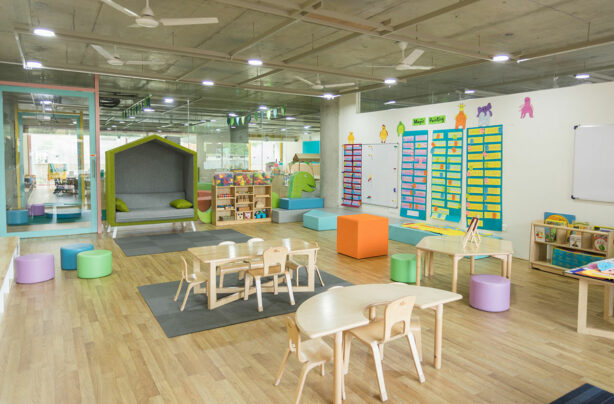
Making sure your child is ready for Pre-K doesn’t mean you have to spend hours drilling them on letters and numbers.
Instead, help your child practice a few useful routines, learn how drop-offs and pick-ups will work, and become familiar with the people and place awaiting them.
With a little help, they’ll be able to enter an unfamiliar situation feeling eager and ready to learn.
Frequently Asked Questions
Does my child need to know letters and numbers before Pre-K?
No. Familiarity with books, songs, counting, shapes, conversation, and pretend play is valuable, but academic performance isn’t required. A strong Pre-K classroom introduces early academic ideas through developmentally appropriate activities.
Does my child need to be toilet trained?
Not necessarily. Policies and the level of assistance available will differ between programs. Ask how accidents are handled, what spare clothing to provide, and what the teacher expects your child to attempt independently.
What if my child cries every morning?
Use a brief, consistent goodbye and ask what happens after you leave. Look for gradual changes such as accepting comfort sooner, entering an activity, or speaking positively about part of the day. If distress remains severe or begins affecting your child throughout the day, work with the teacher and your pediatrician on a support plan.