
Every parent wants to ensure that their children are safe and financially secure, both now and in the event of their eventual passing.
Yet, when planning their estate, far too many parents may make mistakes that may end up draining inheritance funds and causing stress to their loved ones.
In fact, approximately 55-60% of North Americans don’t have an estate plan at all, leaving their children vulnerable to confusion, court battles, and unnecessary legal costs.
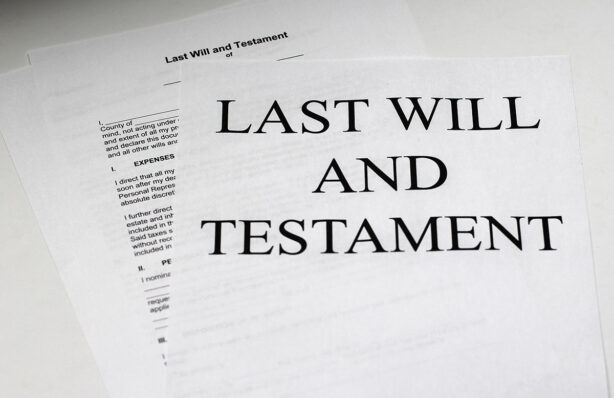
Even those who believe they’ve “done everything right” may make critical errors that jeopardize their legacy.
If you want to ensure that your family is able to navigate a difficult time with as much ease as possible, this guide will help ensure that you avoid any mistakes that could impact your future legacy.
Here’s What You’ll Learn:
- The Most Common Estate Planning Mistake
- Probate Mistakes That Deplete Legacy Funds
- Why Smart People Still Make Estate Planning Mistakes
- Estate Planning Documents Most People Overlook
- How To Build a Solid Estate Plan
The Most Common Estate Planning Mistake
Believe it or not, the most common, and potentially costly, estate planning mistake you can make is failing to communicate your plan to the people it affects, especially your executor.
Shockingly, only about 45% of will executors actually know they were chosen as the executor of an estate.
That means almost half of executors are caught completely off guard, only learning about their role after a loved one passes away.
This lack of communication can lead to confusion, delays, and unnecessary family stress during an already emotional time.
Why This Happens
Because one of the key aspects of estate planning is creating a will, many people treat estate planning as a “one-and-done” task.
They meet with an estate planning lawyer, sign the necessary papers, and ensure the paperwork is properly filed until their eventual passing.
But, estate planning isn’t something that’s completed in a single meeting. It’s an ongoing process that requires updates and open communication.
When your executor doesn’t know they’ve been chosen, or what their responsibilities are, your estate becomes vulnerable to mistakes, disputes, and challenges.
How to Avoid This
To prevent issues with the disbursement of your estate, make sure you:
- Inform your executor about their role.
- Explain their responsibilities clearly.
- Provide copies of key documents.
- Communicate any updates if your plan changes.
Simple communication can save your family from unnecessary confusion and conflict, ensuring that there are no disputes related to your estate.
Probate Mistakes That Deplete Legacy Funds
Depending on your location, the probate process can cost up to 10% of your entire estate.
That means an estate worth $500,000 could lose up to $50,000 to legal fees and court costs, money that could have benefitted your family.
The good news? Most probate losses are completely avoidable.
Common Probate Mistakes
Mistake #1: Believing a Will Bypasses Probate
Probate is the legal process of validating a will, paying debts, and distributing assets under court supervision.
The court reviews the will to ensure it’s legitimate, and oversees how assets are transferred to beneficiaries.
For this reason, a will does not bypass probate; it simply directs the court on how to distribute your assets.
To truly avoid probate, and the potential costs it can incur, you’ll need to use non-probate tools, like living trusts and beneficiary designations.
Mistake #2: Ignoring Non-Probate Assets
Accounts with designated beneficiaries, including life insurance policies, retirement accounts, and payable-on-death (POD) bank accounts, can bypass probate.
But, they only work if your beneficiary information is accurate and up to date.
Don’t forget to review these accounts and your beneficiaries after major life changes, including marriage, divorce, or the birth of a child.
Mistake #3: Failing to Fund a Trust
A trust is a valuable tool for keeping money out of probate, but it only protects the assets you transfer into it.
Creating a trust is relatively easy, but funding it by transferring property and accounts into the trust takes time and effort to complete.
Remember, anything outside the trust will be subject to probate, so consult with your family lawyer if needed, to ensure your assets are properly added.
Why Smart People Still Make Estate Planning Mistakes
It might come as a surprise that even successful, educated people can make serious estate planning errors.
The main reasons for that? Overthinking and procrastination.
Rather than starting with simple steps, many get overwhelmed by details, and then delay taking any steps forward at all.
But, letting overthinking lead to procrastination can mean more stress for your family, and money needlessly lost if something happens to you.
Surveys have found that far too many people don’t make creating a will a priority, with almost half waiting until a health crisis to finally take that step.
By that point, stress and declining health can make sound decision-making difficult, or even impossible.
The simple truth is that an imperfect estate plan is better than no estate plan at all. Remember that it’s never too late to get started!
Estate Planning Documents Most People Overlook
A will is important, but it’s only one piece of your total estate plan.
Here are some other documents that you will likely want to include when finalizing your estate:
Must-Have Documents:
- Financial Power of Attorney: Allows a trusted person to manage your finances if you become incapacitated.
- Healthcare Directive (Living Will): Outlines your medical preferences if you can’t speak for yourself.
- HIPAA Authorization: Gives your family access to your medical information without violating HIPAA privacy regulations.
- Guardianship Designations: Essential for families with minor children, naming the person you want to care for them if you pass away or become unable to do so.
- Protections for Smaller Assets: Could include distribution of digital assets, such as cryptocurrency and online businesses, personal property designations, protections for real estate, and business successions.
Ensuring your estate plan is as comprehensive as possible will help ensure that there are no surprises for you or your family if your health starts to fail.
How to Build a Solid Estate Plan
Estate planning doesn’t have to be overly complex, but it does need to be comprehensive and communicated.
Start by making sure you’re working with an experienced professional that understands probate laws in your specific state or province.
Then, sit down with your family to go over the details of your estate plan, including any roles that they might have.
Review and update your plan regularly, especially after major life events, to reassess that it still meets your family’s needs.
Finally, store all documents related to your estate plan in a secure location, and confirm that your family knows where to find them.

Estate planning mistakes don’t just cost money. They cause unnecessary heartache and confusion to your family during one of life’s most difficult times.
By avoiding common pitfalls and keeping your loved ones informed of your plans, you can ensure your legacy is protected and your family is cared for.
Don’t let poor planning turn your final gift into a burden.
Start building your estate plan today, and give your family the peace of mind they deserve.