
While the digital age has come with many advantages, it has led to a major shift in the way that children spend their time.
If you’re concerned about your child’s current screen time, and are looking for ways to minimize it, yarn crafts may be the answer you’re looking for.
Knitting and crochet have become increasingly popular with people of all ages not just because they’re enjoyable, but because they teach practical skills children can carry with them for life.
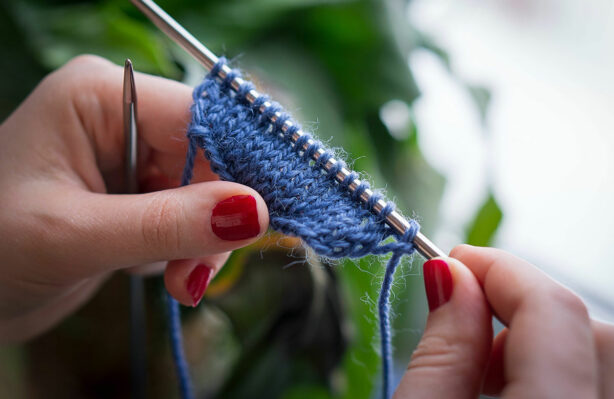
And, while it may seem surprising to many, children as young as five can start to learn the basic techniques needed to make their own creations.
If you’re wondering how to get started, these tips can help you introduce your family to the fun and engaging world of yarn crafts.
This article explores why screen-free activities matter, how yarn crafts support child development, practical ways to teach kids to knit or crochet, and how to keep them engaged long term.
Thinking about switching your kids to screen-free activities?
Table of Contents:
- Benefits of Screen-Free Activities
- How Yarn Crafts Help Your Child Develop
- How To Get Kids Started with Yarn Crafting
- Easy Yarn Projects Kids Will Love
- Encouraging Kids To Keep Crafting
Benefits of Screen-Free Activities
Encouraging children to step away from screens has become increasingly difficult.
Tablets, smartphones, and computers are a part of most people’s daily life, and many kids spend far more time using them than parents realize.
Research shows that children eight years old and under spend an average of 21 hours per week on screens.
Studies from the CDC also report that more than half of teenagers use screens for four or more hours each day.
Excessive screen time has been linked to a range of physical and mental health concerns, including obesity, anxiety, depression, behavioral challenges, and reduced attention spans.
It also takes time away from activities that build real-world skills.
Children benefit from unstructured time. Boredom encourages creativity, problem-solving, and independent thinking.
When kids have opportunities to make something with their hands, they engage in a different kind of learning that screens can’t replicate.
Yarn crafts offer that opportunity. Knitting and crochet allow children to create tangible items they can see, touch, and feel proud of. These are skills they can continue using well into adulthood.
Developmental Benefits of Yarn Crafts
Knitting and crochet support multiple areas of child development.
As children learn and practice working with yarn, they naturally build skills that can be applied to much more than just crafting.
With the help of high-quality materials like Fiddlesticks yarn for knitting and crochet projects, your children may improve their:
- Fine Motor Skills: Yarn crafts help build hand muscles, improve hand-eye coordination, and stimulate brain cell development.
- Math and Reading Comprehension: Counting stitches and recognizing sequences can improve your child’s ability to understand both numbers and the flow of language.
- Attention and Focus: Since children need to concentrate on their project, their ability to focus is often improved.
- Problem Solving: Mistakes are a part of the process when working with yarn, which lets kids learn problem-solving skills and develop resilience.
- Self Esteem: Completing a project gives children a sense of accomplishment that can boost confidence and self-esteem.
There is also evidence that knitting can promote relaxation by triggering the release of serotonin, a chemical associated with improved mood and reduced anxiety.
Additionally, using both hands at once helps strengthen connections between the left and right sides of the brain, which can support skills such as reading, writing, balance, and coordination.
How To Get Kids Started With Yarn Crafting
As with learning any new skill, it’s important to remember that pushing kids too hard will be more likely to cause them to lose interest.
Instead, let them move at their own pace. Try these tips to make sure your kids enjoy their experience working with yarn:
Invest In The Proper Supplies
As with any new hobby, quality tools can make the process much easier, as can ensuring the supplies are appropriate for kids.
Tools that are too large, too small, or too difficult to handle can quickly frustrate beginners.
Children generally do best with larger knitting needles, such as size 8, and smooth, worsted-weight yarn in bright colors.
Dark or fuzzy yarns make stitches harder to see, and can discourage new learners.
Teach One Stitch At A Time
One of the worst mistakes you can make when teaching kids to work with yarn is trying to show them too much all at once.
Instead, start with one single stitch and let them master it before you introduce another one.
In crochet, begin with the chain stitch and allow children to practice until they feel confident.
For knitting, focus on the knit stitch first before moving on to more complex techniques like the purl stitch.
“Go through the front door, around the back. Peek through the window and off jumps Jack!”
Keep Lessons Short
While you might be excited to share a love of knitting or crochet with your child, kids will lose interest if you try to force them to sit and practice too long.
In general, keep your first lessons between 15 and 20 minutes.
Try to end each lesson on a positive note, so that your child will return to yarn crafts excited to learn more the next time.
Easy Yarn Projects Kids Will Love
The best kid’s crochet and knitting projects are the ones that show quick results.
Kids want to see their finished project quickly, rather than having to wait for months to finish their work.
To keep learning a new skill fun, try these easy beginner projects.
Finger Knitting (Ages 4–6)
Wrap yarn around the fingers, then lift the bottom loop over the top loop and off the finger. Pull tight and repeat. This makes long chains that can become bracelets, necklaces, or mini scarves.
Yarn Bracelets (Ages 5–7)
Cut three strands of yarn and tie them together at one end. Braid the strands until the bracelet fits around the wrist, then tie it closed.
Pom-Poms (Ages 5–8)
Wrap yarn around fingers or cardboard many times. Tie tightly in the middle, cut the loops, and trim into a ball. Kids will love using them to decorate hats, backpacks, and more.
Crochet Chains (Ages 6–9)
Using a large crochet hook, show your child how to make a slip knot, yarn over, and pull through the loop. Repeat to create a chain. This teaches the basic crochet motion that’s used in most projects.
Doll or Stuffed Animal Scarves (Ages 6–9)
Knit or crochet a short rectangle sized for a toy. Smaller projects keep kids motivated and help them finish successfully.
Knitted Squares (Ages 7–10)
Cast on stitches and knit every row using only the knit stitch. Stop when the piece is square. These can be used as coasters or dishcloths, or sewn together later into a bigger project.
Simple Loom Knitting (Ages 6–10)
Wrap yarn around loom pegs and lift loops over each other to make a tube or hat. Looms remove the challenge of needles and are very beginner-friendly.
Basic Granny Squares (Ages 8–10)
Crochet attractive patterns into a square using chain and double crochet stitches. Each square is quick, which will help build your child’s skills, but can also be sewn into a larger blanket or throw.
Tips For Encouraging Kids To Keep Playing With Yarn
Once your kids have built up their initial skill with knitting or crocheting, it’s time to ensure they stay motivated.
If you want to keep your kids invested in their projects, try these tips:
- Let Kids Pick Their Materials: Taking your child to the store and allowing them to pick their favorite colors and textures will help motivate them to complete their projects.
- Create a Craft Space: Having a basket or cubby where your kids can store their crafting supplies will make it easier for them to grab a project during downtime.
- Sit down and craft with your kids. Children love to copy what their parents do. Make spending time together a crafting session and you’ll never hear “I’m bored” again.
- Celebrate Finished Projects: Hang up those blankets and scarves to display what your child has made. Take pictures, or give finished items as gifts to family members!
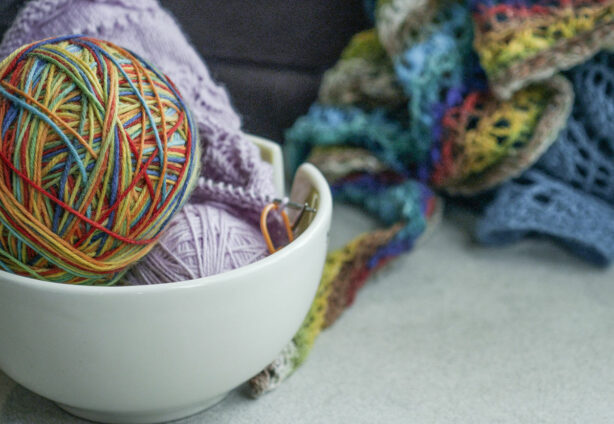
When it comes to minimizing excessive screen time, crafting is a great alternative, as it lets kids work quietly and independently as they create something special.
Yarn crafts are a great way to introduce that concept, and may just introduce your child to a hobby that they’ll love for a lifetime.
Best of all, as they create new items, they’ll develop valuable skills that will help them in all areas of their lives as they grow and develop.
So, why not collect the kids, grab some supplies, and see just how rewarding knitting, crocheting, and other yarn crafts can be for kids and adults alike?