
You want lobster. Not mediocre lobster in a noisy restaurant with a two-hour wait and a $75 entrée that arrives overcooked.
You want the kind of lobster dinner that makes a regular deal feel like a special occasion, candlelight, drawn butter, maybe a bottle of something cold and white.
The kind that makes the person sitting across from you think you really know what you’re doing in the kitchen.
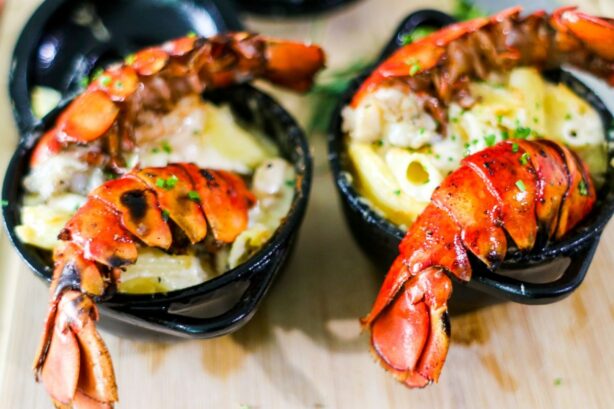
And, while it might seem a little overwhelming if you’ve never cooked lobster before, it’s actually something that you can do at home.
Even better, it’s likely much easier than you might think.
If you’re new to cooking lobster, keep these tips and recipes in mind to help you create a lobster dinner that will wow your loved ones.
Why Lobster at Home Is Easier Than You Think
Most restaurant lobster is just a broiled or butter-poached tail.
A 10-minute cooking time, a hot plate, and a ramekin of melted butter are all it takes to create something delicious.
The intimidation factor surrounding lobster is almost entirely a myth built around price tags and white tablecloths, not its cooking complexity.
The average lobster entrée at a mid-range restaurant runs $45-$85 per person.
A quality lobster tail ordered fresh and shipped overnight typically costs $18-$35, and you get to control your own butter-to-lobster ratio.
A lobster dinner at home typically costs $53-$93 all-in for two people, roughly half what you’d spend at a mid-range restaurant, and that includes the wine and sides.
The difference between a home-cooked lobster dinner and a restaurant one is almost entirely about presentation, not technique.
Once you know that, the concept of cooking it yourself gets a lot less stressful.
How to Buy Lobster: Fresh, Frozen, or Live?
Before you can cook lobster, you need to buy it.
There are usually three popular options to choose from, and each suits a different situation.
Live Whole Lobsters
The classic option, live lobsters are best if you want the theatrical whole-lobster presentation.
Look for active movement, a lethargic lobster is a sign of poor handling. Live lobster is best steamed or boiled whole.
Lobster Tails
Lobster tails are often the most practical choice for a dinner-for-two.
Maine lobster tails sourced and shipped overnight give you the real thing, wild-caught, cold-water lobster with the sweet, firm flesh that warm-water tails simply don’t match.
Look for tails with white, translucent flesh and no discoloration.
Frozen Lobster Meat
Frozen lobster meat is the most flexible format.
It works beautifully in pasta, bisque, lobster rolls, or stuffed mushrooms; essentially anywhere you want lobster flavour without the whole-tail presentation.
Inspect for no freezer burn and a clean, ocean-fresh smell after thawing.
For a special occasion dinner with visual impact, lobster tails are a showy and affordable option.
For a dinner party where you’re feeding four or more, frozen lobster meat lets you stretch your budget without sacrificing quality.
The Best Way to Cook Lobster Tails at Home (Step-by-Step)
If you’re not sure just how to cook your lobster tails for the best results, these three easy methods are a great place to start:
Broiling (Fastest Method, Best for Beginners)
Broiling is the most forgiving method and produces the best visual result: lightly charred edges, a golden shell, and sweet tender lobster meat that looks exactly like a restaurant plate.
- Preheat your broiler to high.
- Butterfly the tail: cut through the top shell lengthwise, spread the shell open, and lift the meat slightly.
- Brush generously with garlic butter.
- Broil 6-10 minutes (roughly 1 minute per ounce of tail weight).
- Remove and serve when flesh turns opaque and reaches an internal temperature of 145°F.
Butter Poaching (Most Luxurious, Restaurant-Level Result)
Butter-poached lobster is what high-end restaurants are actually serving when they charge $80 for a tail. The technique isn’t complicated, it just requires attention to temperature.
- Melt butter in a small saucepan and keep it between 160 and 180°F, hot enough to cook the meat, but low enough to poach gently.
- Submerge the raw tail meat (shell removed) fully in the butter.
- Cook 5-6 minutes, turning once.
- Enjoy a silky, tender lobster tail with unbeatable texture.
For a dinner party showstopper, colossal lobster tails in the 16-20 oz range are ideal for butter poaching; the size gives you a substantial, plated centerpiece that looks genuinely impressive.
Baking (Hands-Off, Good for Multitasking)
Baking is the most forgiving option when you’re managing multiple components at once: sides in the oven, sauce on the stove, and wine in your hand.
- Preheat oven to 400°F.
- Butterfly the tail and brush with garlic butter.
- Bake 8-10 minutes depending on size.
- Check at 8 minutes; once the flesh is opaque and hits 145°F internally, it’s done.
How Much Does a Lobster Dinner at Home Actually Cost?
A lobster dinner for two at home typically costs $53–$93 all-in, roughly half what you’d spend at a mid-range restaurant, and that includes a decent bottle of wine.
| Item | Home (Est.) | Restaurant (Est.) |
| 2 lobster tails (6–8 oz) | $30-$56 | $70-$100+ |
| Butter, garlic, aromatics | $3-$5 | Included |
| Side dishes | $8-$12 | $10-$20 |
| Wine (bottle) | $12-$20 | $40-$70 |
| Gratuity (18–22%) | $0 | $16-$40 |
| TOTAL (for two) | $53-$93 | $135-$200+ |
The numbers above use real retail estimates.
The restaurant column assumes a mid-range seafood restaurant with a modest wine list and standard gratuity.
The price difference is significant, and that’s before you factor in not having to deal with parking or reservations, as well as the experience of eating in your own kitchen without waiting 45 minutes for your table.
Same lobster. Same butter. No dress code. No tip.
What to Serve with Lobster: Side Dishes That Elevate the Meal
The sides are what takes a lobster dinner from great protein to a full restaurant-quality experience.
Keep them simple, you want accompaniments that complement without competing.
Here are a few easy options to consider:
- Garlic Mashed Potatoes: Rich and creamy, mashed potatoes absorb drawn butter beautifully. Make them ahead so they’re ready when the lobster comes off the heat.
- Roasted Asparagus with Lemon Butter: Roast fresh asparagus for 12 minutes at 425°F, add a squeeze of lemon, and you’re done. The brightness cuts through the richness of butter-poached lobster.
- Corn on the Cob: A classic pairing, especially in summer. Grilled or boiled, it adds sweetness that complements the lobster.
- Crusty Sourdough: A great way to use that extra drawn butter. Get a good loaf from your favorite bakery.
- Green Salad with Vinaigrette: A light, acidic salad resets the palate between bites. Arugula with shaved parmesan and a lemon dressing is a natural match.
Wine Pairing:
Dry white is always a good choice with seafood, and lobster is no exception.
A Chablis or unoaked Chardonnay brings the right mineral edge without overpowering.
A dry Rosé works beautifully for summer, too. Avoid heavy, oaky whites, they dull the sweetness of the lobster.
How to Plate Lobster Like a Restaurant (Without Trying Too Hard)
Plating lobster is one of the easiest parts of the whole process, and it will take your meal to the next level.
Follow these four steps for restaurant-quality results:
- Preheat your plates by running them under hot water, and dry them just before serving. A warm plate is the single most consistent signal of a professional kitchen. It’s something you notice without actually noticing.
- Pour drawn butter or garlic butter in a small ramekin, and serve it alongside the lobster rather than poured over. It looks more professional, and lets each person control their own ratio.
- Add one lemon wedge, cut at an angle, not a half-moon or a round, so that it can be easily squeezed over the meat. Place it on the rim of the plate.
- Finally finish your lobster by adding a pinch of fresh chives or tarragon, scattered over the top just before serving. The color contrast elevates the visual aspect of your plate immediately.
That’s it. A prewarmed plate, a ramekin of butter, and a lemon wedge add instant class to your at-home lobster. It’s most of what you’re paying for at a restaurant.
Lobster Dinner Variations for Any Occasion
Once you’re comfortable with the basics of cooking lobster, it can work across completely different occasions.
Classic Date Night: Broiled Lobster Tail for Two
Minimal ingredients, maximum impact. Start with two 6-8 oz tails, a stick of butter, three garlic cloves, and a bunch of asparagus.
Broil the tails, roast the asparagus alongside, mince the garlic, and add it to your melted butter. Pour a glass of Chablis and you have a wow-worthy meal ready in under 20 minutes. The setup and atmosphere do the rest.
Dinner Party: Lobster Pasta with Garlic Butter Sauce
One large tail stretches beautifully across two to three pasta portions without losing its presence in the dish.
Chop the cooked lobster meat into generous pieces and toss with pappardelle or linguine and a sauce of butter, white wine, shallots, and fresh tarragon.
It’s impressive without the per-head cost of whole tails, and far easier to time for a group than individual broiled tails.
Casual Summer Gathering: Lobster Roll Buffet
Lobster rolls are the most effortless way to serve lobster for a crowd, especially if you buy a lobster roll kit.
Pre-cooked, already portioned, lobster meat, served cold or warm, can be set out with buns, butter, and sides, letting your guests build their own perfect roll.
It’s the same quality lobster in a format that requires almost no cooking and zero plating anxiety.
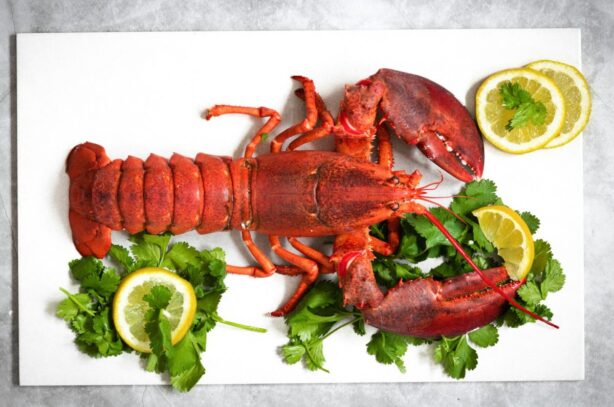
A restaurant-quality lobster dinner at home is not an ambitious project.
It’s often as simple as a ten minute cooking time, four plating details, and good-quality lobster.
High-quality lobster, like cold-water Maine lobster tails, sourced and shipped fresh, are a key factor in ensuring your lobster is fresh, tender, and perfect for any dish you decide to create.
So, consider taking the plunge and whipping up your own lobster! Once you see how easy it can be, you may find yourself coming up with reasons to celebrate with lobster more often!