
There’s something almost magical about food and memory.
One bite of your grandmother’s apple pie, with its flaky crust and home-cooked filling, can instantly have you feeling like a child again.
You can almost see the sunlit lace curtains in her kitchen and hear her humming while she rolls dough.
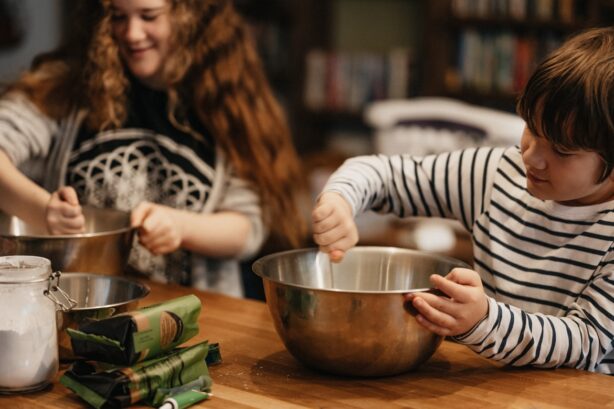
That’s part of the magic of family recipes. The food doesn’t just fill our stomachs, it brings back memories and carries our history.
The smell of garlic sizzling in olive oil might remind you of Sunday dinners with family.
The taste of your mother’s soup can feel like a hug when you need it most.
From baking your grandma’s treasured cookie recipe at Christmas to cooking a favorite meal with your kids, come learn more about how family recipes help us remember the past and create new memories for the future.
Why Certain Food Stays With Us
Some family meals stay in our mind forever. Decades can pass, and we can still remember exactly how they tasted.
These recipes are often simple things.
The scrambled eggs Dad always made for Sunday brunch. Your aunt’s potato salad at every summer barbecue. The cookies your best friend’s mom always had waiting after school.
These dishes stick with us not necessarily because of the look and taste of the food itself, but because they’re tied to people and emotions.
Remembering the food lets us remember the love that went into making it, and the contentment we had as we ate.
But, why exactly does food have the ability to bring back those memories?
How Taste and Smell Bring Back People and Moments
It may seem strange that taste and smell can be such powerful triggers to past moments.
But, the pathways the brain uses to process taste and smell are directly linked to the areas of the brain that control emotion and memory.
Because these two parts of the brain work so well together, the recollections that a taste creates can be especially strong.
The amygdala, which controls emotion, brings up the feelings associated with the taste.
Then, the hippocampus, which controls memory, provides context for the emotion, creating an almost instant link to special moments in the past.
It’s called the Proust effect, and it’s one of the reasons that family recipes are such an effective way of remembering those treasured experiences in our lives.
Cooking To Keep Lost Loved Ones Close
It’s never easy to lose somebody we love, and it’s a natural human instinct to look for ways to feel connected to them when they’re gone.
We might keep their photos on our walls, wear their favorite clothing, or tell stories about them.
But, one of the most powerful ways to stay connected to a lost loved one can be to cook their recipes.
When you make the dishes a loved one used to make for you, it can feel like you’re spending time with them again.
Your hands move the way theirs did. You use the techniques they taught you. For those few moments, you’re connected once more to the person you love.
How Family Recipes Become a Legacy
Family recipes aren’t just favorite foods, they’re heirlooms that are often passed from generation to generation for decades.
Great-grandma taught Grandma. Grandma taught your mom. Eventually, you’ll be teaching your own kids how to create those treasured recipes.
Sure, you might swap ingredients or update the techniques a little, but the heart of the recipe stays the same.
These dishes will often show up at birthdays, holidays, and quiet weeknight dinners. They are how we take care of each other.
These recipes will usually show up at important moments. They’re the comfort food when someone’s sick. They’re made for birthdays, holidays, and special occasions.
They may even eventually be used at a funeral repast to help grieving loved ones feel connected to a person that’s been lost.
The act of making these treasured recipes create a connection, both to the person that originally made the dish and to the other members of your family.
Sharing Meals and Sharing Stories
One of the reasons family dinner has remained a beloved ritual for so long is because it’s a place to share and tell stories.
A single question about a dish or a recipe can lead to a story about your grandmother’s childhood, or a tale about how your parents met.
And, some foods may also inspire you to share your own stories and memories.
Maybe the lasagna reminds you of the time your uncle ate three helpings and then had to skip dessert.
Maybe the perfectly cooked pie gets everyone chatting about the year it burned and you all ate store-bought cookies instead.
Whatever stories the food you’re serving prompts, it helps to make that family dinner something more than a meal.
Remembering past moments together helps you bond with your loved ones in a powerful and lasting way.
How Food Connects The Past With The Present
The beautiful thing about a family recipe is that it doesn’t just remind us of the past, it connects us to it.
When you cook your grandmother’s dishes, you’re able to take something she gave you and make it a real and important part of your life right now.
Your kitchen may be vastly different from your grandmother’s. Your kids may interrupt you mid-stir. You might swap the ingredients slightly or adjust the cooking techniques.
But, that’s part of the beauty of these family recipes. Something from the past is able to evolve instead of being a relic that remains unchanging.
And, that lets you feel the impact of your loved ones and the wisdom they’ve shared in a meaningful and relevant way.
Helping Kids Connect To Their Heritage
One of the beautiful things about family recipes is finally being able to share them with our own children.
Imagine your child sitting on the counter, watching you make the pancakes your father used to make for you.
She asks why you always flip them three times, and you tell her that’s how Grandpa always made them when you were a child.
Even if she never got the chance to meet him, she’ll remember the moment with you, and remember learning something about one of her family members.
Years from now, when she makes those same pancakes, she may make a change or two.
Maybe she’ll add blueberries because that’s what her kids like. Maybe she’ll use a different pan.
But she’ll still flip them three times. The recipe will carry forward that small memory as new ones are created, building a lasting legacy.
Bringing Loved Ones Into Daily Life Through Recipes
Some family recipes only come out for special occasions, whether because of tradition or because of the amount of work it takes to make them.
But, often the recipes that truly keep people close are the everyday ones; simple things like your mom’s morning coffee ritual or your uncle’s famous bachelor quesadillas.
This lets us maintain a connection with important people not just on special occasions, but during our daily lives.
Making these simple recipes lets the people we love become a part of our routine, providing the comfort and nourishment that they have for so long.

Food connects us to the people we love in ways nothing else can.
Every time you cook one of the family recipes that was passed down to you, it’s a way of recognizing that the person who gave you that recipe matters.
Their influence continues to be felt in your kitchen and in your family’s lives, as you learn and share the meals that bring back those timeless memories.
So, keep cooking those cherished family recipes. Teach them to your children. Let the recipes evolve while honoring where they came from.
It’s a way of keeping your family memories alive and passing them on to new generations, connecting your family for years to come.